






Gateway to K2
Starting point for expeditions to K2, Broad Peak, and Gasherbrum.
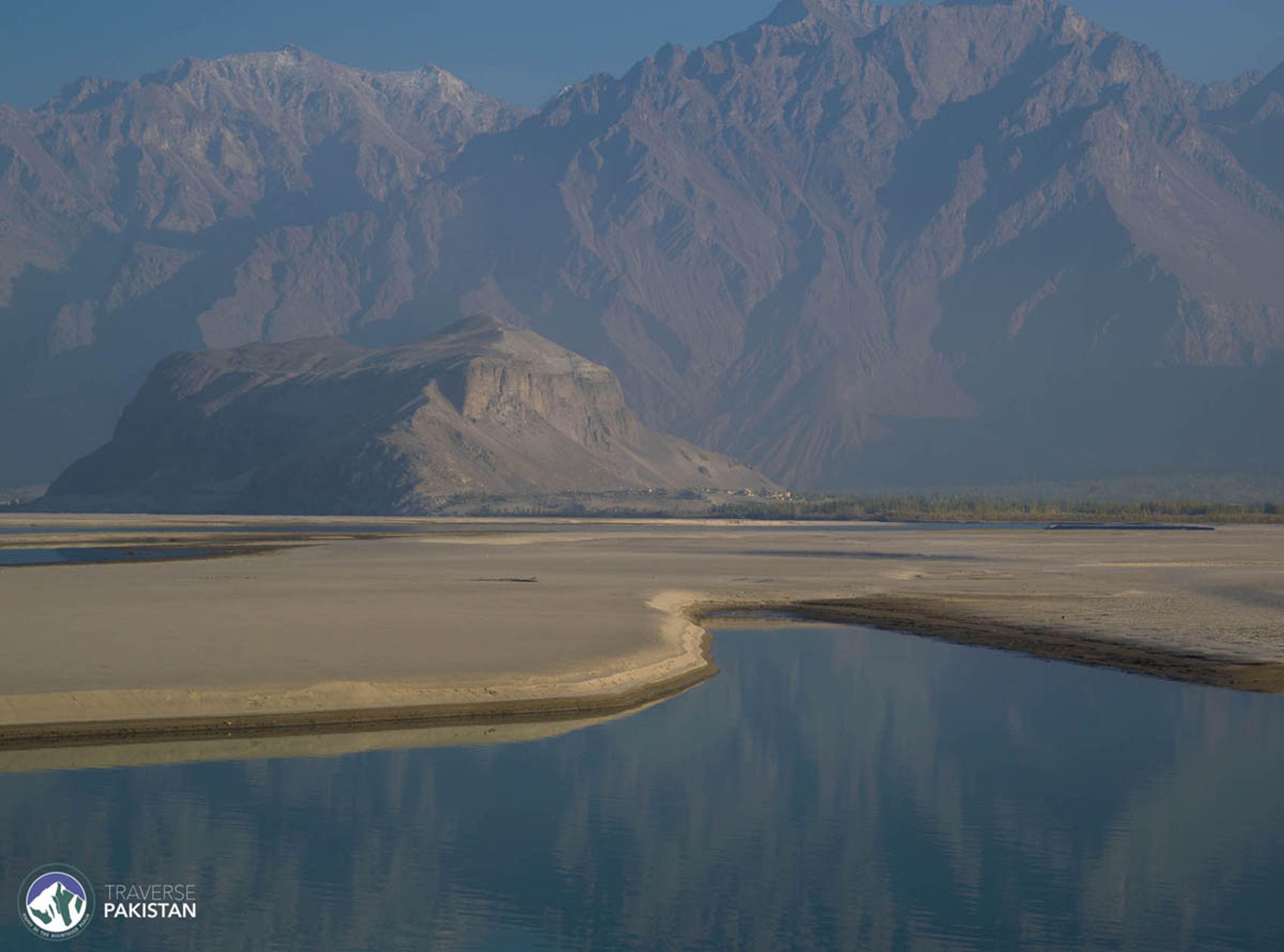
Great Bolor
Baltistan is one of the five western Himalayan States, also known as Little Tibet or The Great Bolor, has been separated by Siachen Glacier from Greater Tibet. Home to four 8000 meter peaks, Baltistan spreads upwards from the Indus River. Local language is ‘Balti’ that is also affiliated with Tibetan. Its been a melting pot of Tibet, Ladakh & Kashmir, which is evident till date in language, culture and architecture. Medieval history of state starts from emergence of Turkish ruling Tribes around 9th century, ending the control of Tibeto-Dard Kingdom in the region. Buddhist inscriptions all around Baltistan are distinct evidence for Tibetan form of Tantric Buddhism. Islam spread into the region around 14th century with by Sufi Scholars from Persia & Central Asia. Baltistan comprises of several sub valleys like Shigar, Hushe & Kharmang with Skardu as capital of the region, where Indus makes a great lake around the city. Skardu: Gateway to Karakorams Skardu has been known to be the gateway to mighty Karakorams and has acted as a connection for the influx of religions, cultures from Tibet to Persia & Central Asia. Now its on the epicentre of ever growing Global Tourism with an International Airport which has opened up the Grandeur of Karakorams to all the Mountaineers, Paragliding and Skiing enthusiasts. Local spoken language is Balti which has been derived mainly from Tibetan. A jeep Safari to Deosai, Glamping in a Cold Desert or a Day trip to Khamosh Waterfall has turned Skardu into a Sensation for adventure enthusiasts and amateurs alike.
22 spots to explore

Into the Horizon

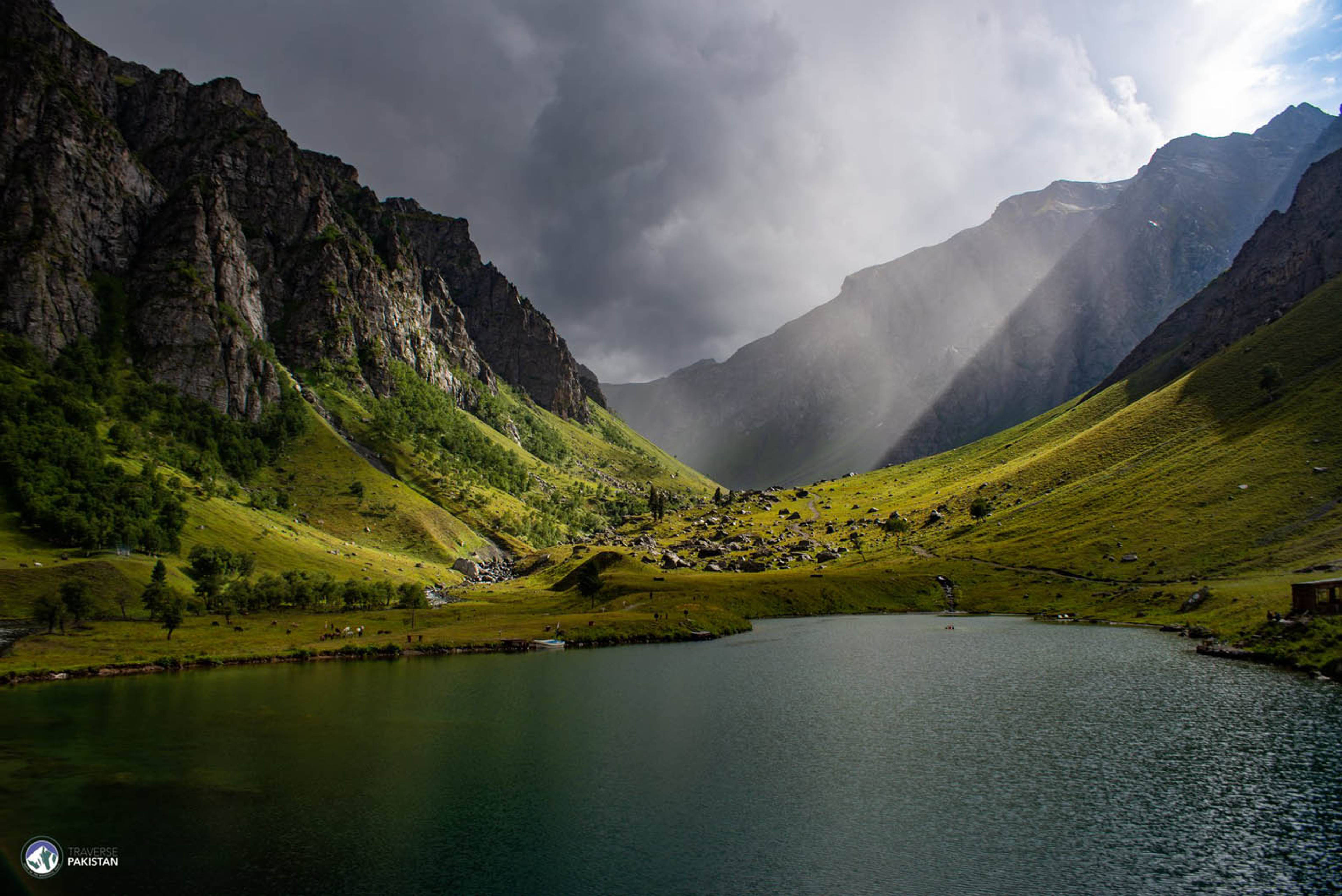
Skardu's Hidden Alpine Paradise

A Perfect Camping Spot

700-Year-Old Wooden Mosque

Land of the Giants

The Black Stream

Largest Garden of Baltistan

Highest Cold Desert in the World

Authentic Waterfall Experience

Capital of Ghanche

Crown of Ghanche

A Cold Splash

Sneak Peak into mighty Karakorams

A natural Dam

Meadow Village of the Shyok

Cold Desert of Shigar

The Heart Shaped Lake

Heart of Deosai

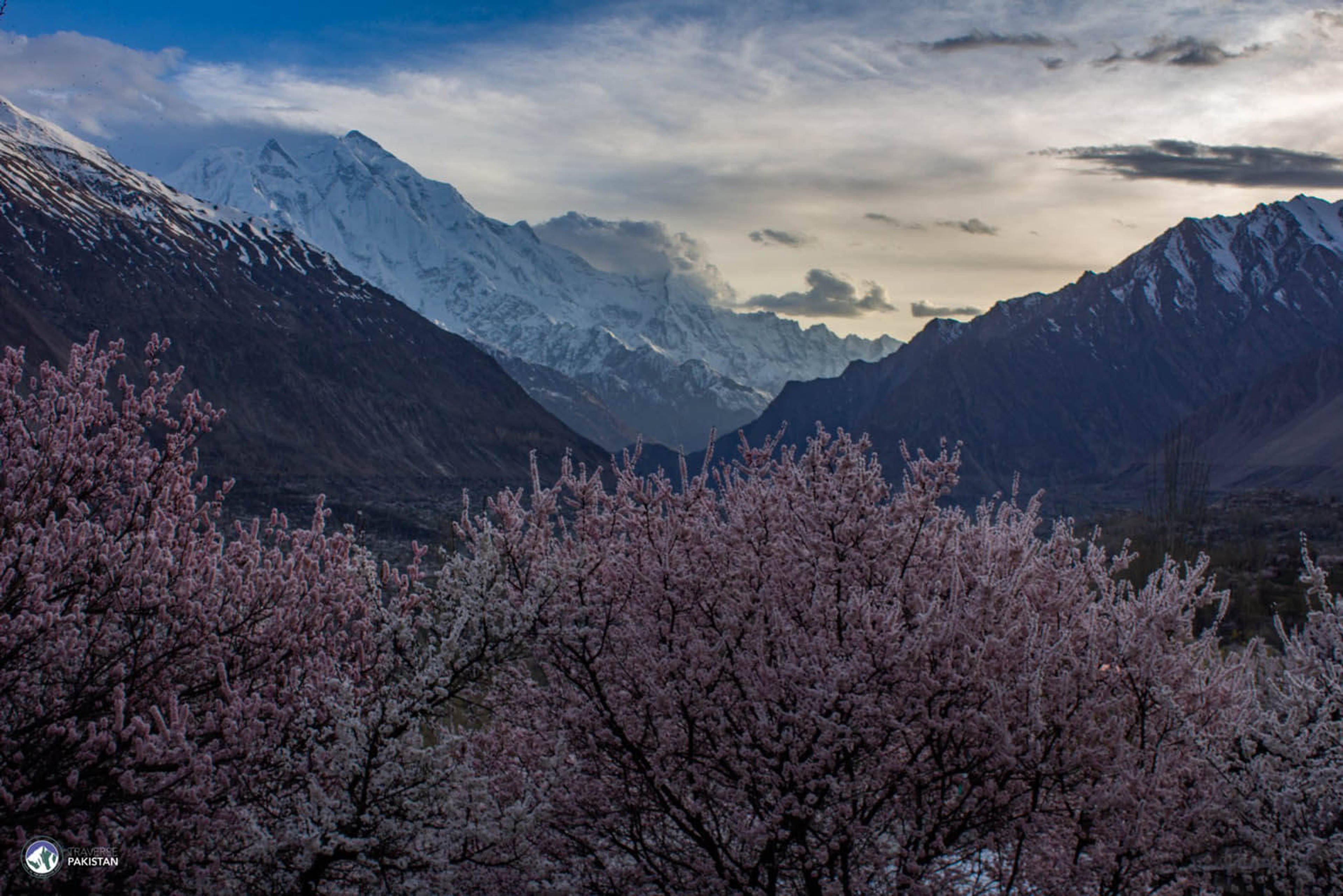
Gateway to K2

Palace on the Rock

Birds Eye view of Khaplu

Beauty of Kachura
16 flexible packages — your dates, your tier
2 tours to choose from
2 hotels & properties
The small, specific reasons travellers keep coming back.
Starting point for expeditions to K2, Broad Peak, and Gasherbrum.
The world's highest cold desert with surreal sand dunes surrounded by snow-capped mountains.
Beautifully restored 400-year-old forts now serving as heritage hotels.
The famous 'Heaven on Earth' resort on the shores of Lower Kachura Lake.
October brings the most dramatic autumn colors in Pakistan.
World's second-highest plateau — home to Himalayan brown bears.
Getting there, what to do, where to stay, and what to eat — the local ground truth.
Skardu International Airport (KDU) is served by daily flights from Islamabad and near-daily flights from Karachi and Lahore. PIA, AirSial and AirBlue all fly the route in summer, with a reduced daily PIA schedule through winter. The flight from Islamabad is 55 minutes over the western Karakoram, one of the most scenic legs in South Asia. From the airport, most hotels in Skardu town are a 15 to 25 minute drive.
The most popular summer road option is Islamabad or Lahore to Naran, then over Babusar Top (4,173 m) to Chilas, joining the Karakoram Highway and continuing via Jaglot to Skardu. Total drive is 18 to 20 hours split across two days. Babusar Pass is open roughly late May to early October, weather permitting. In winter this route is closed and traffic diverts through the year-round Kaghan bypass and Naran-Jalkhad section is not passable.
The all-season overland option follows the Karakoram Highway via Mansehra, Besham, Dasu and Chilas, then turns east at Jaglot onto the Skardu Road along the Indus. Drive is 20 to 24 hours split across two days. This is the go-to route in winter when Babusar is closed, and the road is fully sealed and open all year.
The heart-shaped Lower Kachura Lake at Shangrila Resort is Skardu's most photographed spot, best in golden hour when the willows around the shore turn amber. A short walk or drive uphill takes you to Upper Kachura Lake, a deeper turquoise plate ringed by cliffs, quieter and better for a picnic.
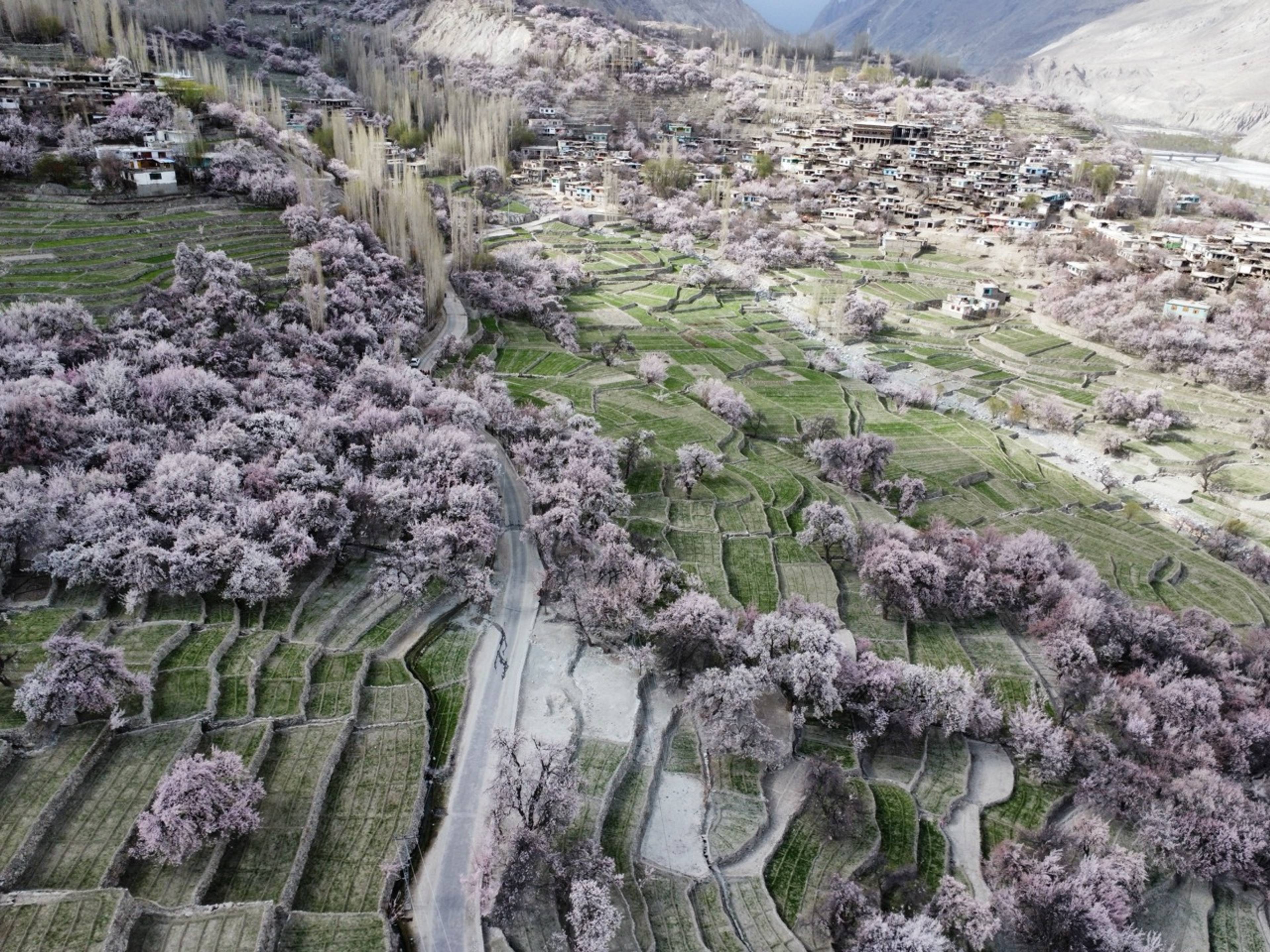
An hour north of Skardu, Shigar is the gateway to K2 and home to the 400-year-old Shigar Fort, restored by the Aga Khan Trust and now run as the Serena Shigar Fort heritage hotel. The valley also has the Sarfaranga cold desert, one of the highest cold deserts in the world, and a string of apricot orchards that turn white in April and gold in October.
Three hours east of Skardu along the Shyok River, Khaplu is the old capital of Ghanche. The restored Khaplu Palace, the 700-year-old wooden Chaqchan Mosque, and the Masherbrum viewpoint above Hushe make a full day out. In summer, day trips to Saling meadow and Thorsikar Fort add another half-day.
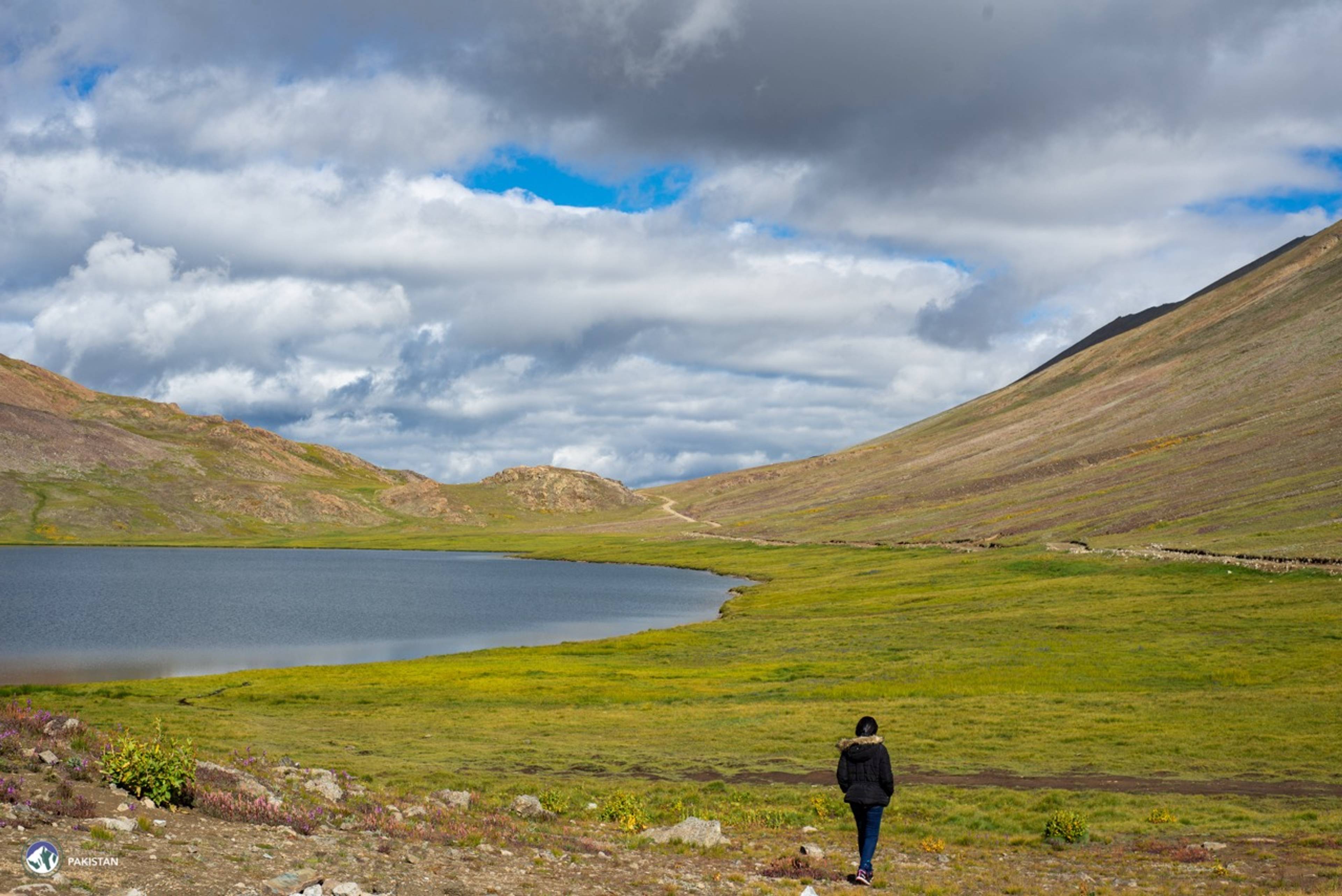
The Deosai Plateau at 4,114 m is one of the highest plateaus in the world and open only from June to mid-September. A jeep safari from Skardu crosses wildflower meadows to Bara Pani river camp and continues to Sheosar Lake at 4,142 m. The plateau is a Himalayan brown bear reserve, and sightings from a distance are common in July and August.
Katpana, the world's highest cold desert, is a 10-minute drive from Skardu town. Dunes sit at 2,226 m against snow peaks, a surreal contrast, and are best at sunrise. Sadpara Lake, 20 minutes uphill, is a natural dammed lake and the source of Skardu's water.
Manthoka Waterfall and Khamosh Waterfall are the two big day-trip waterfalls on the Skardu Road, both spectacular in July when snowmelt peaks. Basho Meadows, three hours west, is a hidden alpine grassland with camping only, no hotels.
Byarsa Hotel is the top luxury pick in Skardu town, with mountain views and a heated indoor pool. Zhule by Roomy is the strong deluxe option, modern rooms with reliable heating in winter, walking distance to Skardu bazaar.
Serena Shigar Fort is the heritage flagship, a 17-room restored 400-year-old fort with the region's best restaurant. Himmel Skardu by Luxus is a newer contemporary luxury property on the Shigar side. Himalaya Hotel is the reliable deluxe option in Shigar village.
Serena Khaplu Palace is the only true luxury property in Ghanche, another restored fort with 21 rooms. For Deosai overnights in summer, Glamp Pakistan at Bara Pani (4,100 m) is a fully-serviced tented camp open June to mid-September only.
Baltistan speaks Balti, a Tibetan-derived language written in Perso-Arabic script, and locals will often greet you with jullay, the Balti hello. The signature dish is mamtu, steamed meat dumplings served with a walnut-chilli chutney, and khurpo, an apricot-kernel butter eaten with flatbread. Balti pink salt tea, apricot fruit and Hunza-style sun-dried mulberries are the winter pantry. Shigar's Amburiq Mosque and 14th Century Chaqchan Mosque in Khaplu marks the arrival of Islam through Persian and Central Asian preachers, layered on top of an older Tibetan Buddhist substrate that still shows in rock carvings around Shigar.
Mid-March – Mid-April
Best timeApricot and cherry blossoms ring the Katpana desert and Sadpara — the valley's most photographed weeks.
Mid-April – Mid-October
Best timeLong light and warm 15–25°C days — clear peak views and full access to Shigar, Khaplu, Deosai and Basho.
Mid-October – Mid-November
Best timePoplars, apricot and cherry trees turn yellow, orange and merlot red — dry, still air and sharp peak lines.
Mid-November – Mid-March
ShoulderDaily flights to Skardu and KKH via Jaglot stay open — town snow-blanketed, warm homestays, Deosai and upper Shigar closed.