




Ancient Forests
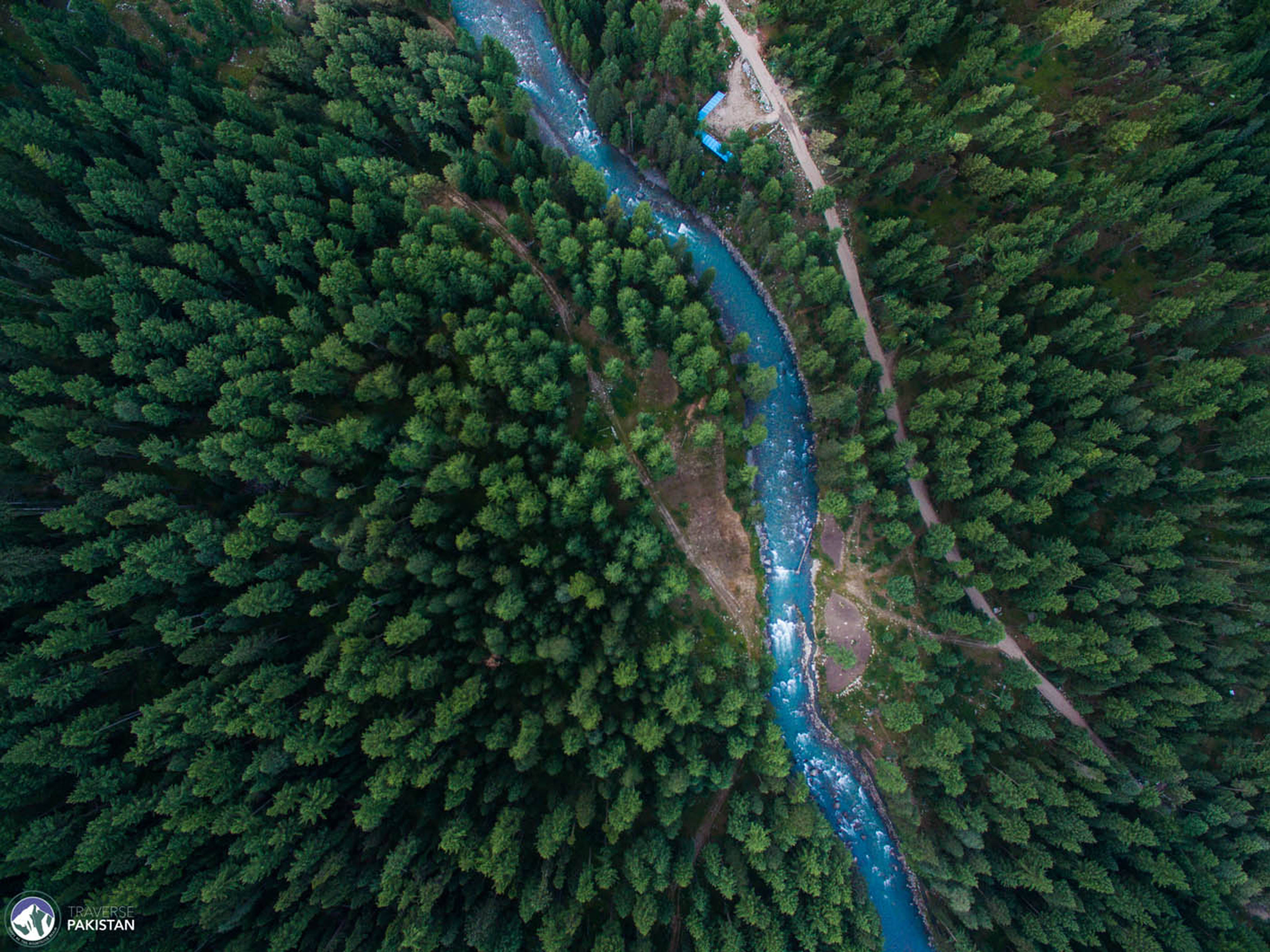
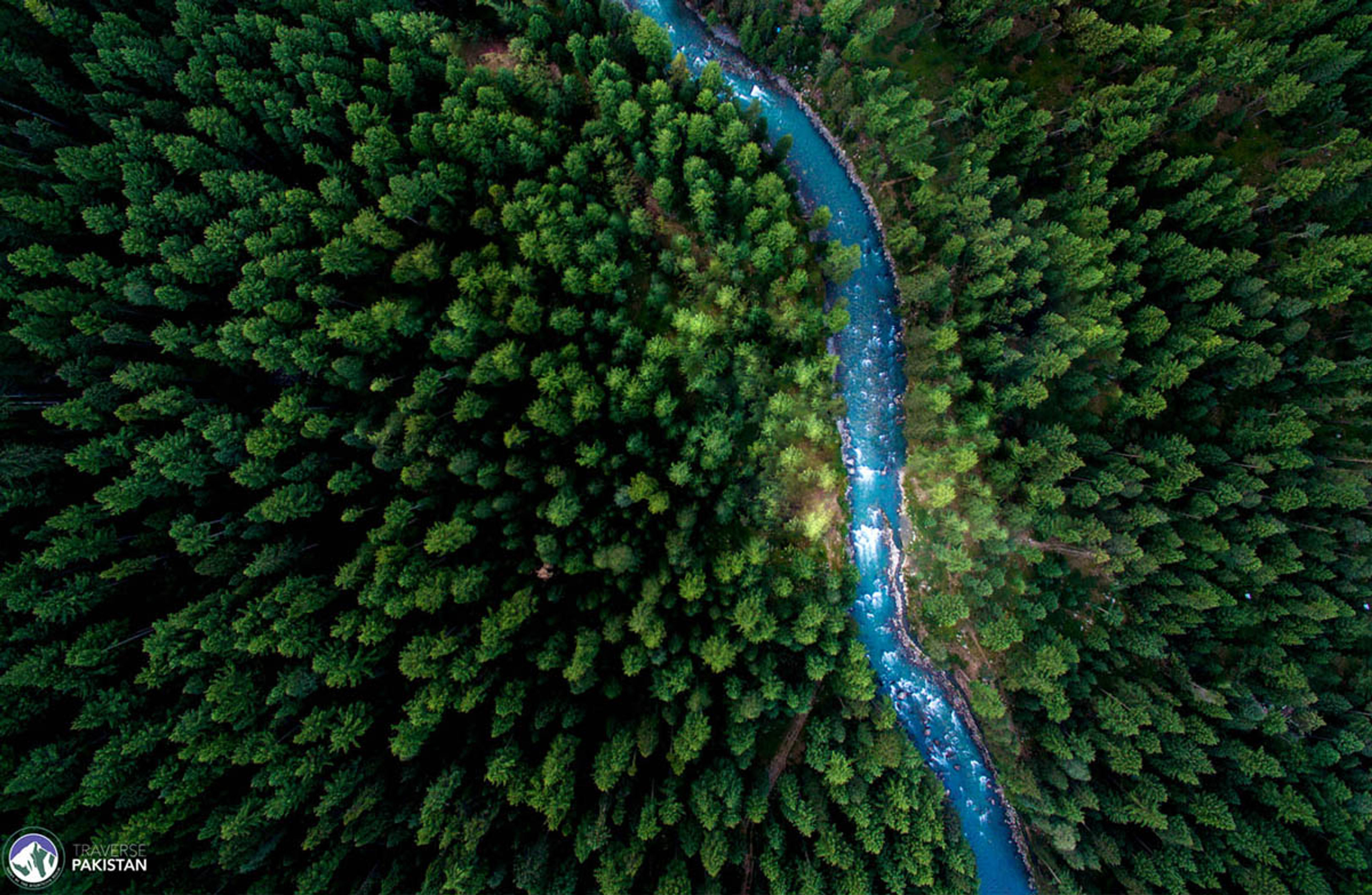
Towering pine and deodar cedar forests that have stood for centuries.
The Switzerland of Pakistan
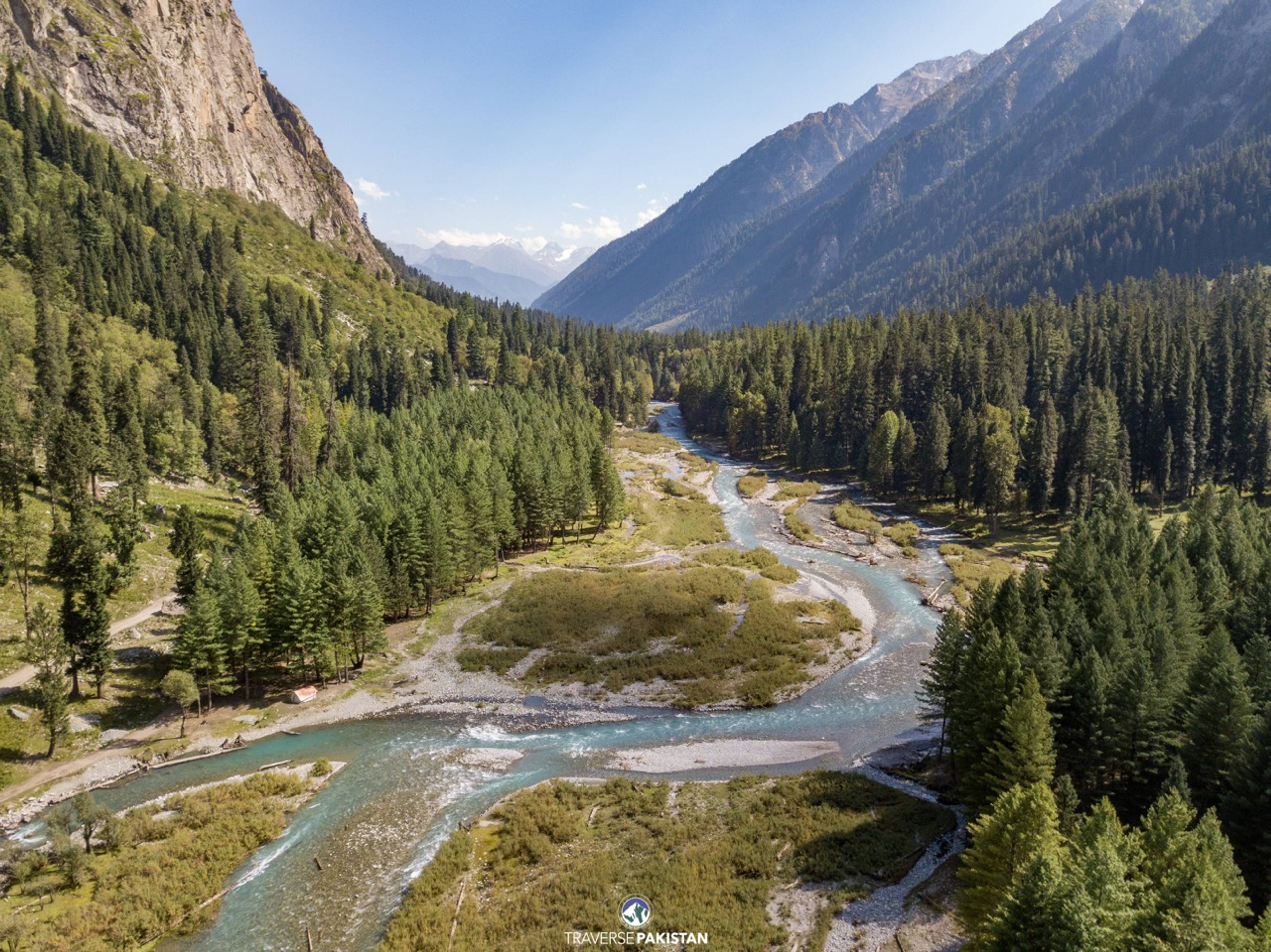
Kumrat was a hidden gem until 2017, a thick pine forest nestled in towering mountains of Hindu Raj, with its steep ridges covered with trees to above 3000m and lower ridges are crowned with sparse meadows. At an altitude of 2500m, it lies in the west of Swat and really defines the raw beauty of Upper Dir. Pristine lakes, towering waterfalls and patches of wide meadows alternating with strips of thick pine forests, all along translucent Panjkora River, makes Kumrat a sensation among trekkers and tourists alike.
3 flexible packages — your dates, your tier
2 hotels & properties
The small, specific reasons travellers keep coming back.
Towering pine and deodar cedar forests that have stood for centuries.
A stunning highland meadow at 3,500m.
Crystal rivers and flower-filled meadows rivaling the Swiss Alps.
One of the last truly undiscovered valleys.
The Panjkora River — among the clearest in Pakistan.
Zero light pollution — one of the best stargazing spots.
Getting there, what to do, where to stay, and what to eat — the local ground truth.
From Islamabad or Lahore, drive north via the M-16 Swat Motorway to Chakdara, then continue on the Dir road through Timergara and Upper Dir to Thal, the last town of Upper Dir. Total drive is 8 to 10 hours from Islamabad, usually split with lunch in Dir. From Thal, transfer into 4x4 jeeps for the final 45 to 60 minute climb to the Kumrat forest floor.
The jeep track from Thal into Kumrat is rough, boulder-strewn and single-lane, and closes with the first heavy snowfall in November, reopening in late April or early May depending on the winter. Your tour operator arranges local jeeps at Thal. Sedans and 2WD SUVs cannot make it past the jeep-track head.
The heart of the Kumrat experience is camping or glamping on the banks of the Panjkora River, under the towering Himalayan cedars that reach 3,000 m up the ridges. Nights are cold even in July, days are cool and dry. This is the reason most travellers come, everything else is a day trip from the river camp.
A 20-minute jeep ride and short walk from the main camps leads to the Kumrat Waterfall, a 45 m curtain of water that pours over a rock slide and drops directly into the Panjkora. Best in June and July when snowmelt is at peak flow.
Katora Lake at 3,480 m is a turquoise glacial tarn ringed by scree slopes, reached by a 6 to 7 hour return trek from the trailhead near Jahaz Banda. The hike is moderate on the way up, mostly a steady climb through pastures, and quick on the way down. Guided day trips leave from the river camps every morning in season.
Jahaz Banda is a broad panoramic meadow at 3,040 m used by summer shepherds, with a few basic camping spots. It is the launchpad for the Katora Lake trek and worth an overnight if you want to be at the trailhead at dawn. Access is via a 3 to 4 hour hike from the road head.
Kala Pani (the black stream) and Dojanga at the very end of the Kumrat jeep track are the two furthest points most day-trippers reach. Both are wide, open, meadow-and-forest picnic spots on the Panjkora, quieter than the main camping strip and worth a half-day.
Kumrat has no urban hotels, only tented camps and glamps along the Panjkora. Khanabadosh Glamp and Latitude 35.5 Kumrat are the two established luxury tented properties, both with proper beds, en-suite bathrooms, hot showers and a shared dining tent. Both open May to October only, and both book out on summer weekends. Standards are camp-standard, not hotel-standard, but the settings are the point.
Kumrat is inaccessible from November to April, do not plan winter trips. Phone signal is patchy or absent past Thal, download offline maps in advance. There are no ATMs in Thal or Kumrat, carry cash for jeep hire, porters and camp extras. Nights get down to 5 to 10°C even in mid-summer, pack a fleece and a warm jacket for evening river-side dinners.
Kumrat lies in Kohistani Pashto-speaking Upper Dir. There are no permanent villages on the Kumrat floor itself, only Gujjar shepherd summer camps that shift up and down with the grazing. Food at the glamps is simple and Pakistani, daal, sabzi, roti, karahi and grilled trout from the Panjkora. Local honey and pine nuts from the surrounding forest are the two things worth taking home. Culture here is minimal by design, the pull is the wilderness, not the settlement, which is why Kumrat is the closest thing Pakistan has to a Swiss-alps camping holiday.
April – May
ShoulderRoad opens as snow clears — river is high with snowmelt, pine forest waking up.
June – September
Best timePeak season — dense cedar and pine, cool river camping, and the Katora Lake trek fully open.
October
Best timeLarch and pine turn gold along the Panjkora — the last quiet weeks before the road closes.
November – March
Poor timeJeep track past Thal closed by heavy snow — Kumrat inaccessible until late April.