

5,728 m Granite Peak
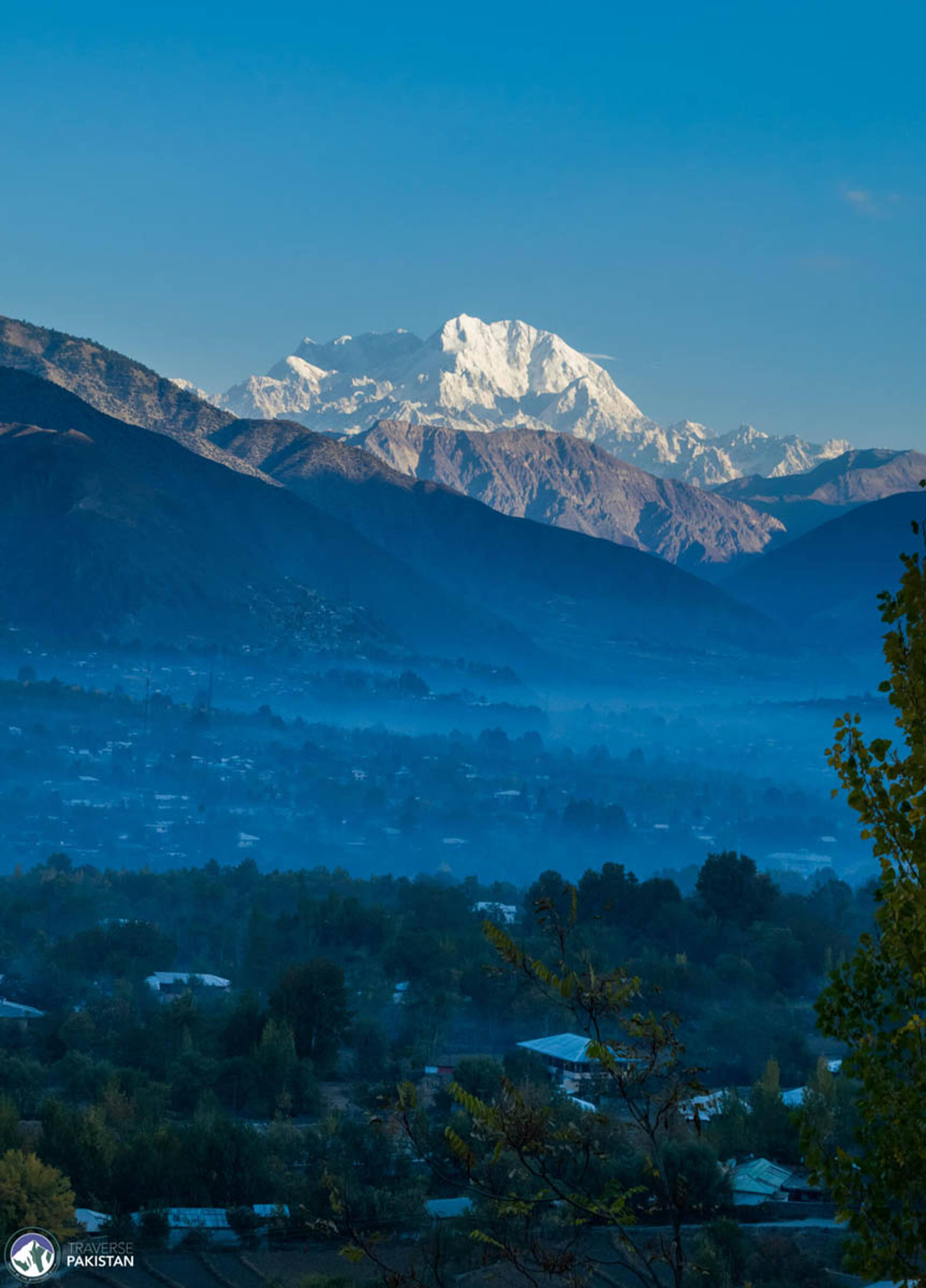
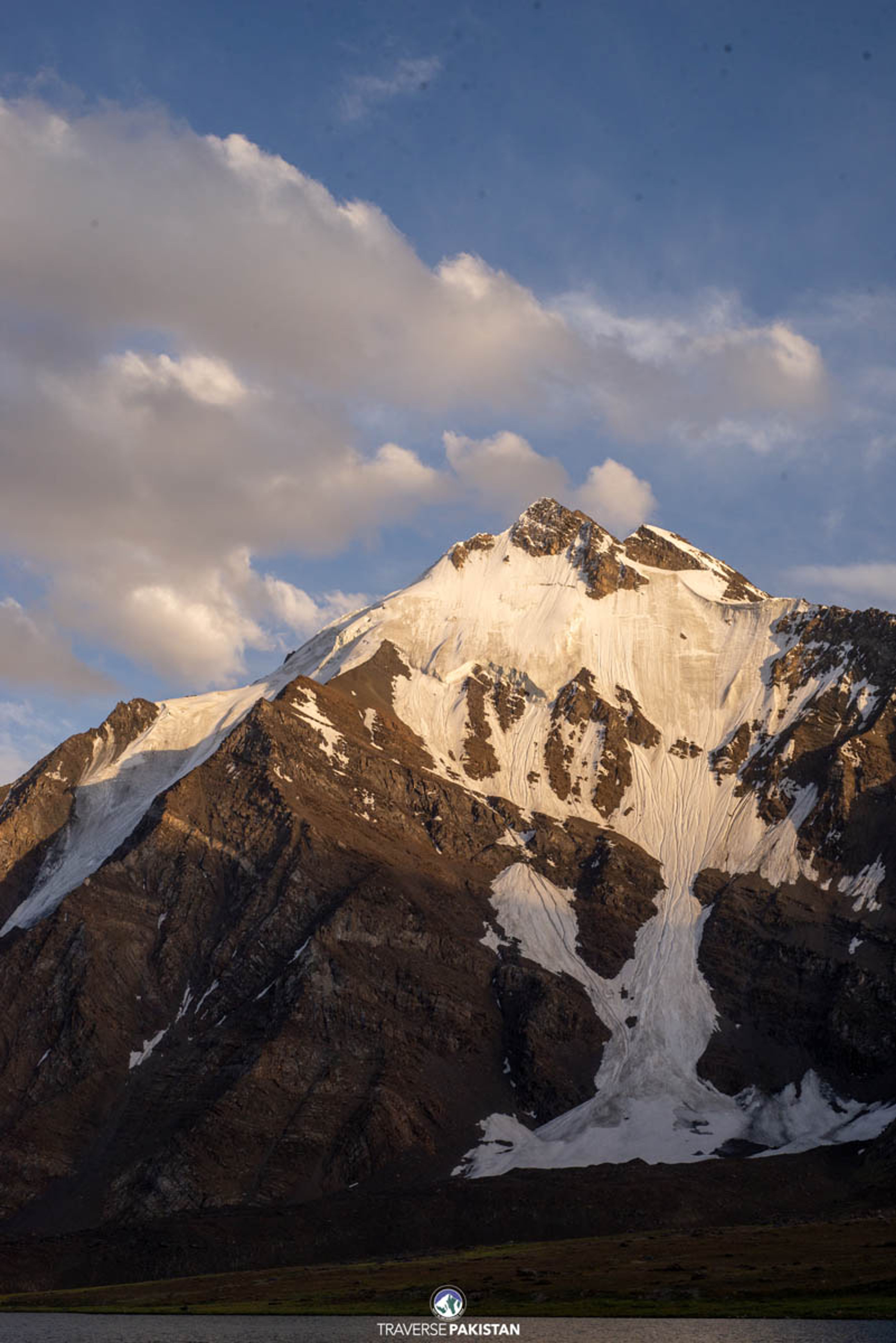
Dark granite and white glaciers rising directly above one of the world's highest alpine lakes.
Grey and White
Zhoe Peak, often written Zhue, rises to 5,728 metres above Karambar Lake, forming the black-granite-and-glacier headwall that gives Karambar its signature reflection. The lake is one of the highest biologically active lakes in the world, and Zhoe's glaciers are what feed it. Reaching the base of the peak is a serious multi-day trek from either Ishkoman or Broghil, Zhoe itself is a technical climb rarely attempted, which is precisely why the view from below feels so untouched.
7 flexible packages — your dates, your tier
3 hotels & properties
The small, specific reasons travellers keep coming back.
Dark granite and white glaciers rising directly above one of the world's highest alpine lakes.
Zhoe's glaciers are the primary meltwater source for the cerulean water of Karambar.
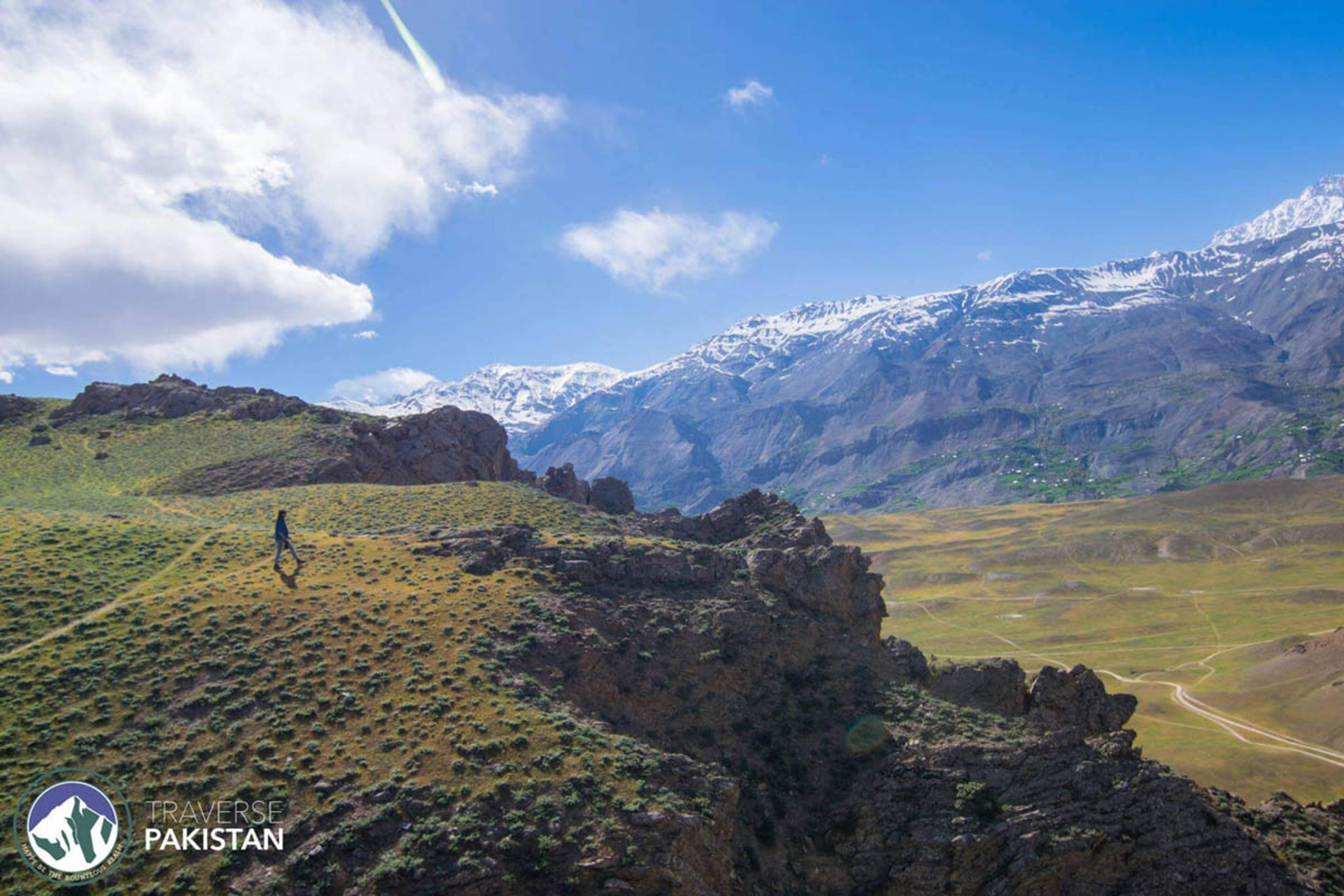
Reached on a serious multi-day trek from either Ishkoman or Broghil in Upper Chitral.
A technical climb almost never attempted — Zhoe is a view from below, not a summit for most visitors.
Mid-March – Mid-April
Best timeApricot and cherry blossoms fill the Ghizer valleys below as approach treks from Ishkoman and Broghil open.
Mid-April – Mid-October
Best timeOnly reliable window for the multi-day trek to Karambar Lake.
Mid-October – Mid-November
Best timePoplars, apricot and cherry trees turn yellow, orange and merlot red in the Ghizer valleys; first snow returns to the peak.
Mid-November – Mid-March
ShoulderMulti-day trek is impassable; the peak is a viewpoint only, visible from lower Ghizer roads on clear winter days.