


Built 1919–1924
Commissioned by Shuja-ul-Mulk, Mehtar of Chitral, and completed in 1924.
Amidst Chinar Trees
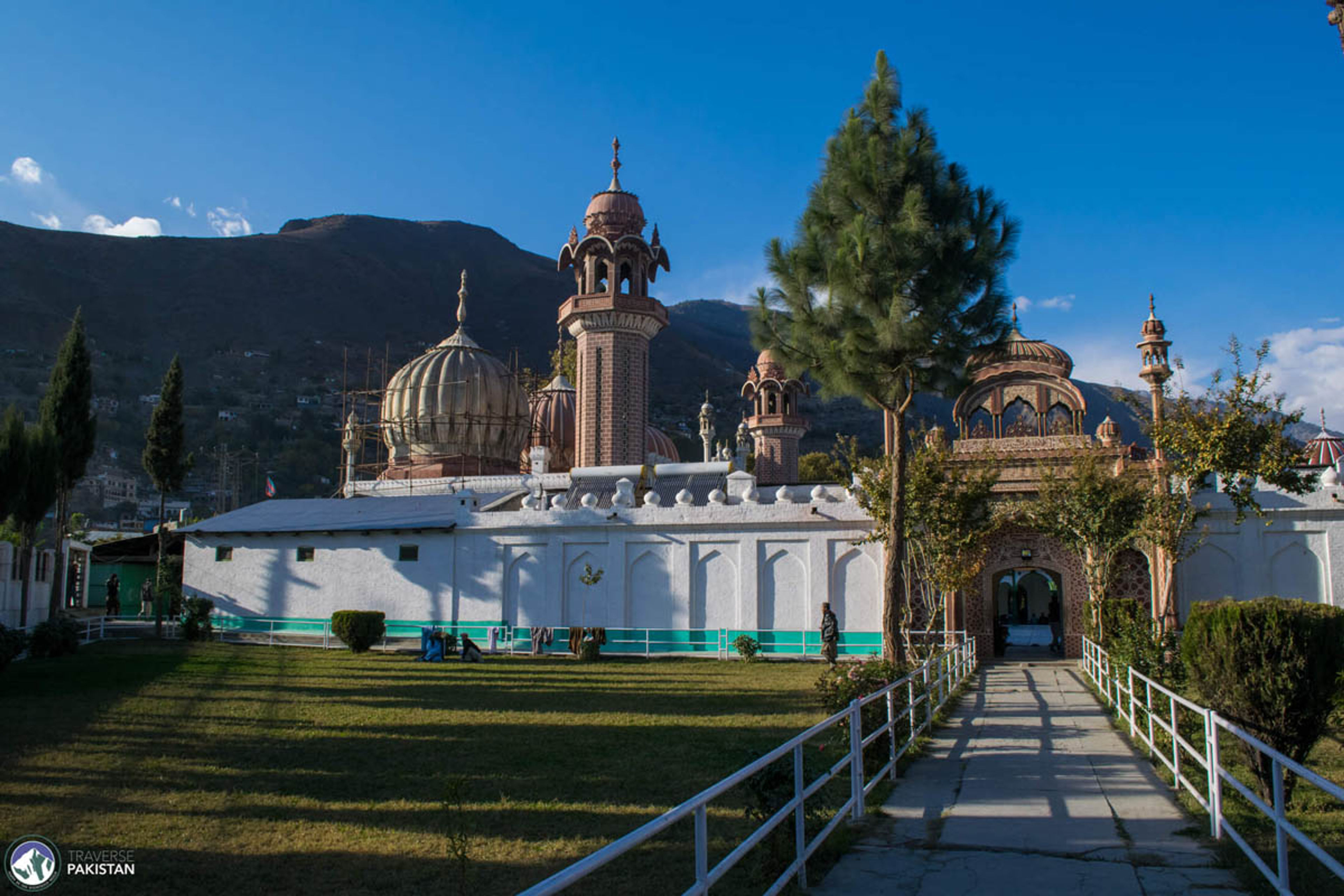
The Shahi Masjid was built between 1919 and 1924 by Shuja-ul-Mulk, the Mehtar of Chitral, and remains the principal mosque of the town. It stands on the west bank of the Chitral River next to the Shahi Fort, a low white structure with three domes, Mughal-style arches and a courtyard shaded by chinar trees. It is the most identifiable landmark on Chitral's skyline and still holds the town's main Jumma congregation. Visitors are welcome outside prayer times.
7 flexible packages — your dates, your tier
1 tour to choose from
3 hotels & properties
The small, specific reasons travellers keep coming back.
Commissioned by Shuja-ul-Mulk, Mehtar of Chitral, and completed in 1924.
On the west bank of the Chitral River, right next to Shahi Fort — the town's most photographed frame.
A shaded courtyard of century-old chinar trees — the historic Chitral street tree.
Still the town's principal Jumma mosque — visit outside prayer times.
Mid-March – Mid-April
Best timeChinar leaves flush bright green; apricot and cherry blossoms fill the riverside courtyard and Chitral orchards.
Mid-April – Mid-October
Best timeThe shaded courtyard is a refuge from the Chitral sun — full daylight through this window.
Mid-October – Mid-November
Best timeChinar, poplars, apricot and cherry trees turn yellow, orange and merlot red across Chitral — the frame that puts this mosque on postcards.
Mid-November – Mid-March
ShoulderChitral town remains accessible via the Lowari Tunnel; short daylight but the mosque against snow is a unique frame.