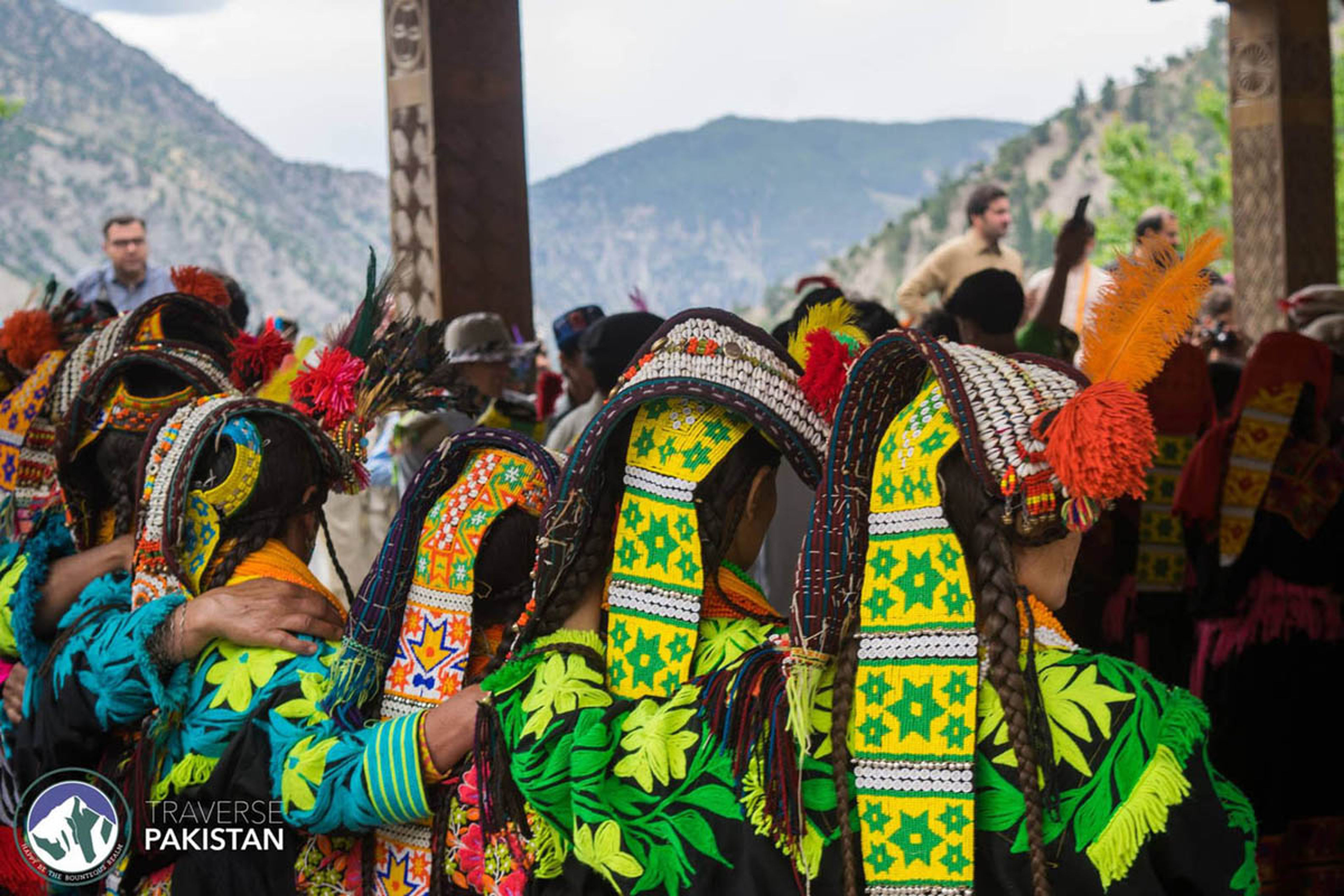
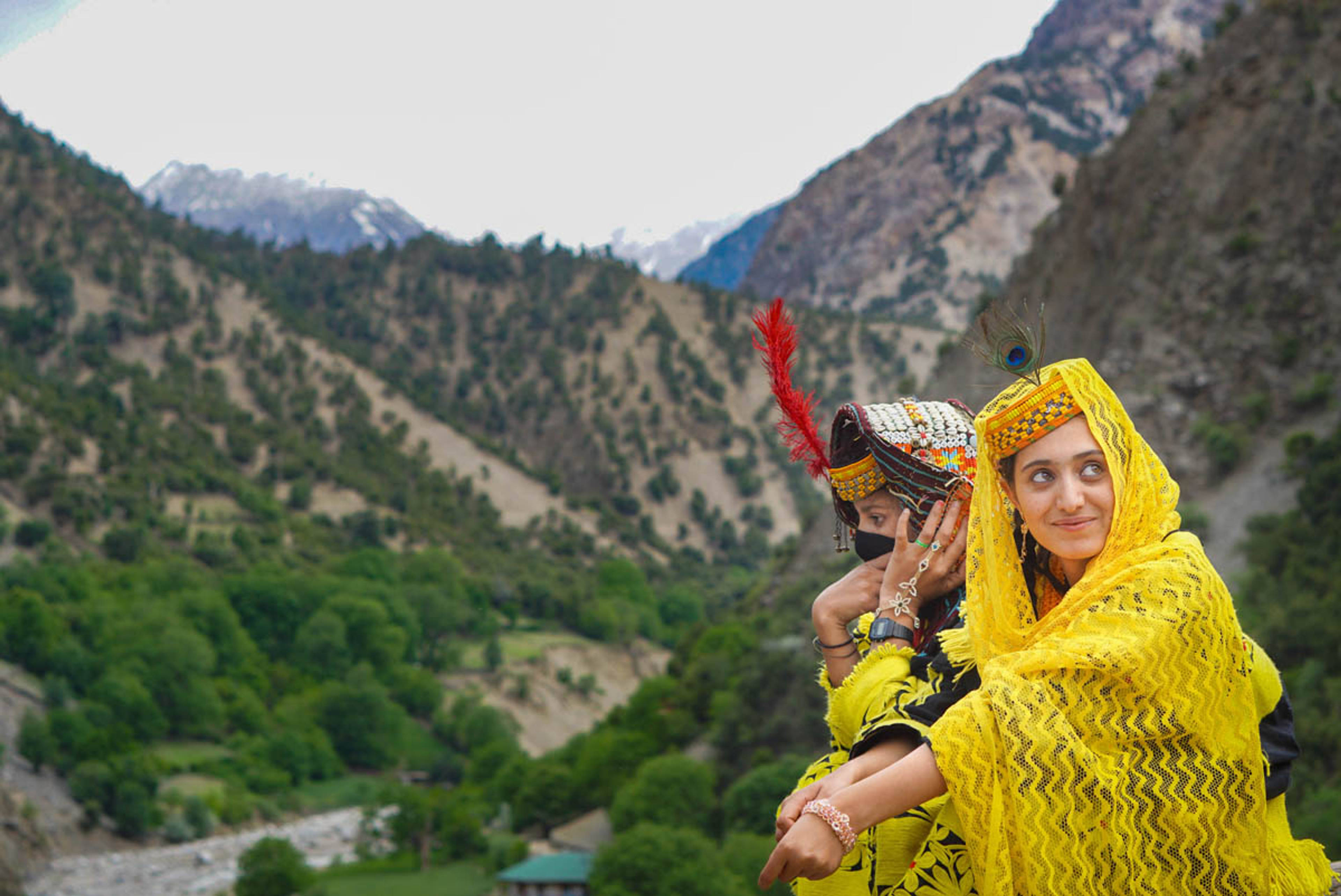
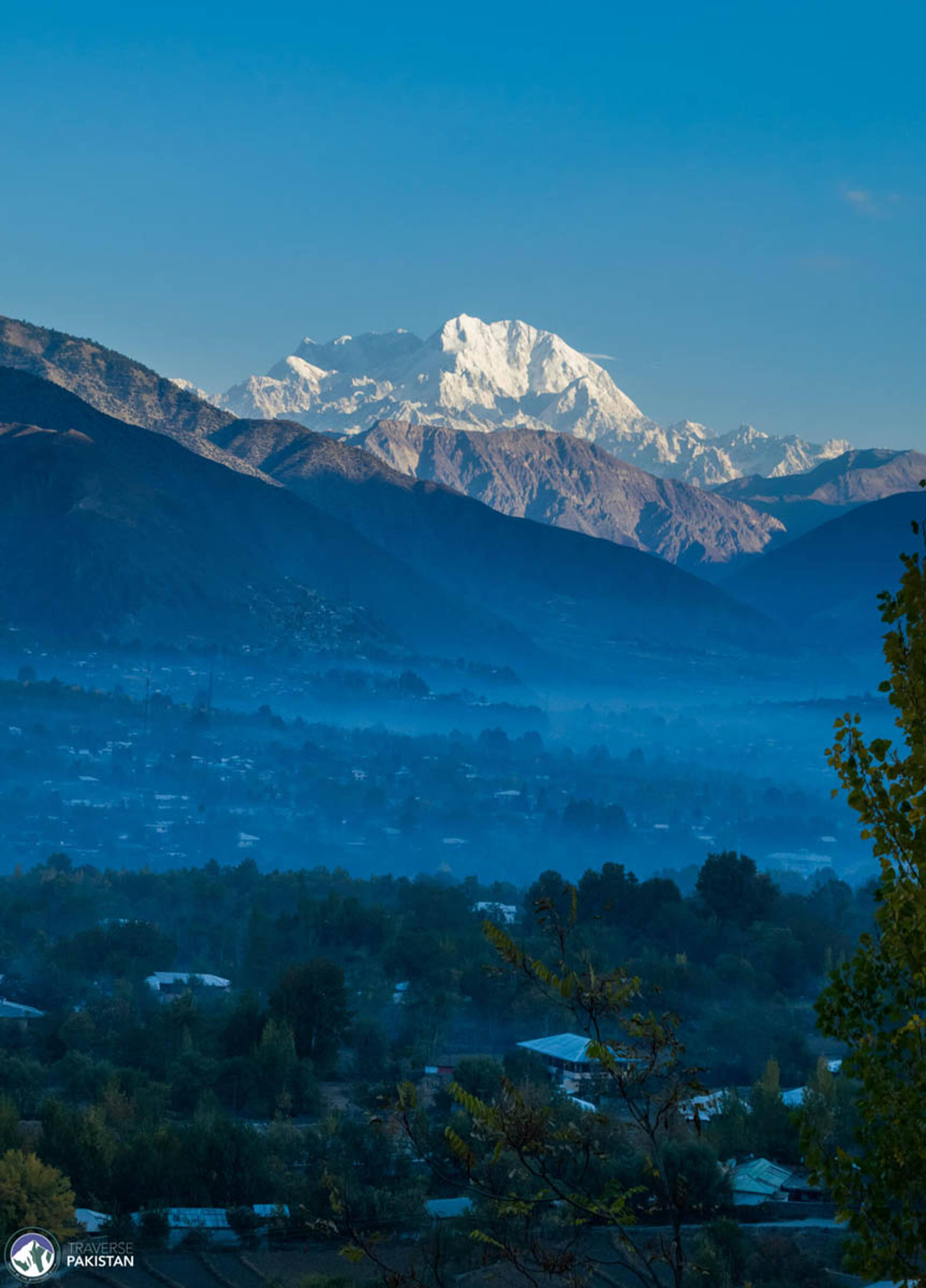
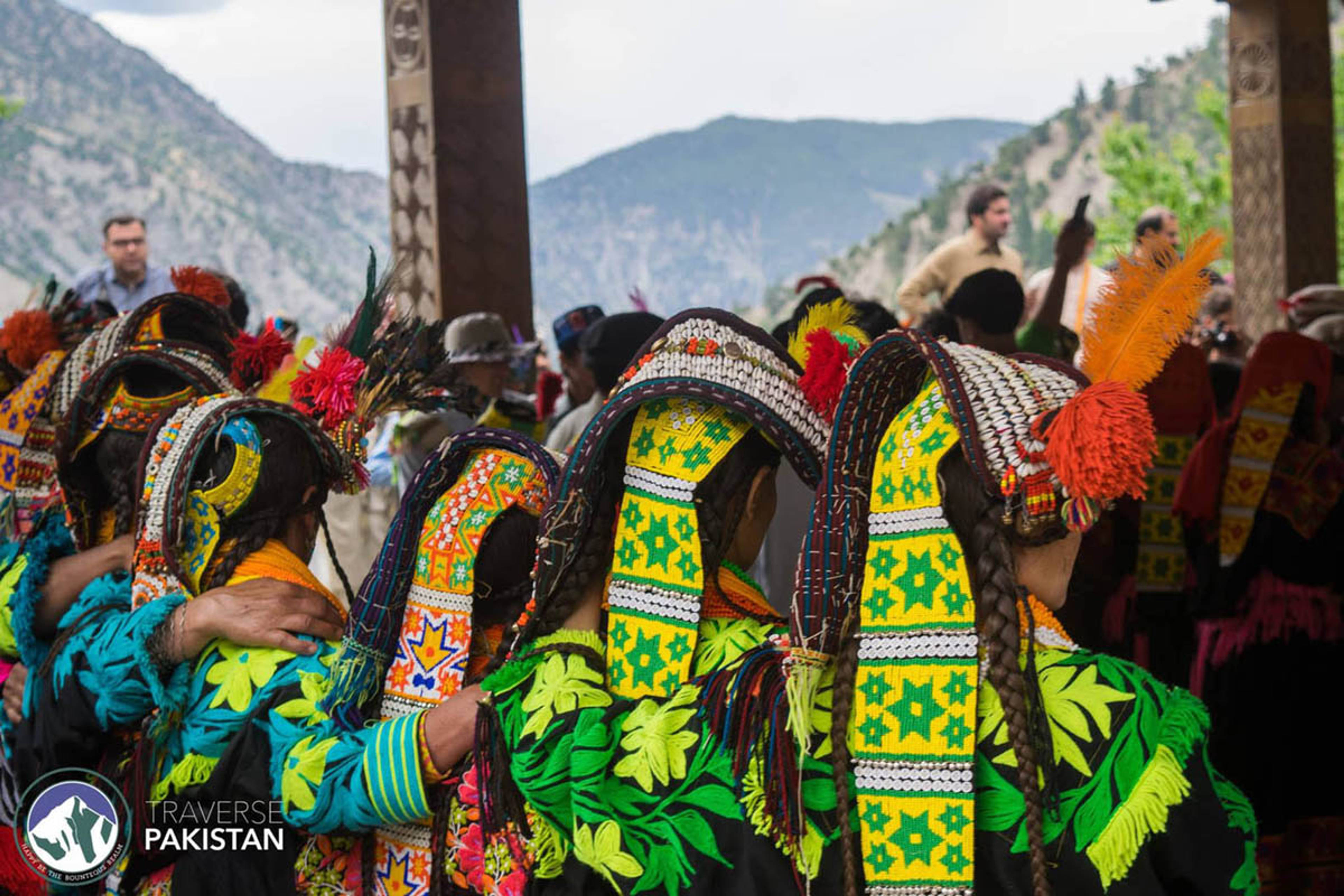
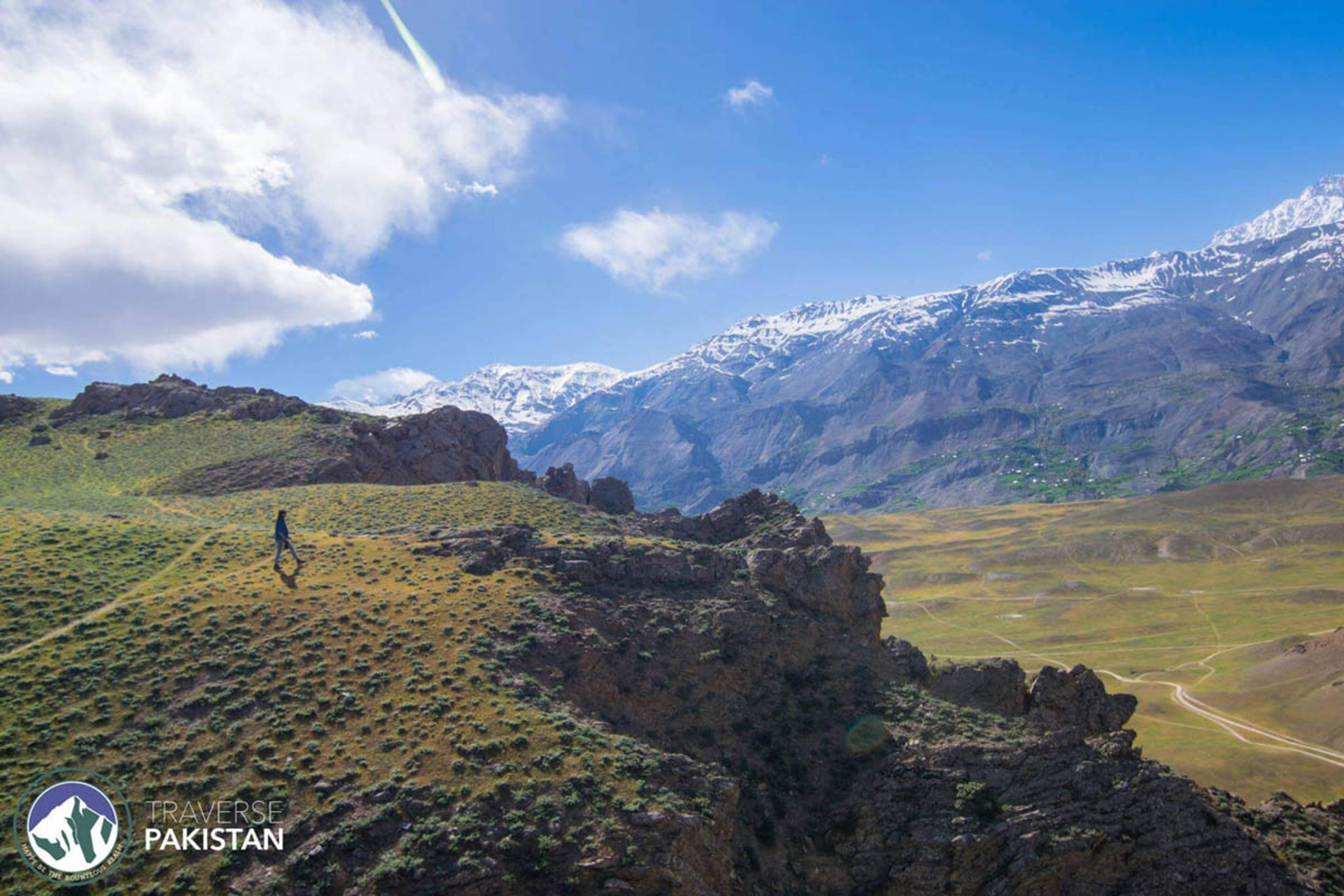
Kalash is one of the most popular destination in Pakistan, known for their festive culture, colourful attires and ancient History. Their brown hair and blue eyes have often mislead to the myth of Kalasha being descendants from soldiers of Alexander, but DNA testing shows that Kalasha are either indigenous to Hindukush or were the part of first migration of humans from Africa to Central Asia. The three valleys of Kalash, Bamburet, Rumbur and Birir, separated by the steep ridges of 3000m, are dense in vegetation, with giant walnut and fruit trees draped in overhanging grape wines over softly flowing streams. There are about 20 villages in these valleys, stacked up in tiers, adorned with rich wooden carvings and exquisite stone work i.e. a reminiscent of early Buddhist architecture. The most famous Kalasha dance can be seen on these four festivals; Chilam Joshi (May), Uchal (August), Phool (October) and religiously significant Choumus (December). Where women in their black cotton dresses, tied at the waist with a sash and multicolour bands of embroidery at hem, cuff and neckline, can be see dancing in a circle, arms round each others waist, shuffling and stamping in a complicated series of circles and cartwheels, on a rhythmical beat of large drum, accompanied by singing songs and drinking wine. Sacrifices of goats are offered to Gods in the smoke-blackened alters in the woods.
Getting there, what to do, where to stay, and what to eat — the local ground truth.
How to get to Kalash
Via Chitral and Ayun
Kalash is reached only via Chitral. From Chitral town, drive south for 40 minutes to Ayun village, the gateway to the three Kalash valleys, then transfer into a jeep for the final 45 to 60 minute climb on a narrow, boulder-strewn track to Bumburet, the main valley. Rumbur is a separate jeep track off the same Ayun junction, and Birir sits further south on its own road. Only local 4x4 jeeps make the final stretch, sedans stop at Ayun. Access is possible year-round, though heavy snowfall between December and February can close the jeep track for a few days at a time.
Things to do in Kalash
Bumburet valley
Bumburet is the largest and most visited of the three valleys, with the widest floor, the most homestays, and the Kalasha Dur museum and cultural centre. This is the base most travellers stay in, with easy walks between villages, cedar-shaded streams, and the wooden Kalasha houses stacked in tiers up the hillsides.
Rumbur valley
Rumbur is the smallest and quietest of the three valleys, and the most religiously observant. A half-day trip from Bumburet is enough to see Grom village, meet Kalasha priests, and visit the sacred altars in the woods, where goat sacrifices are still offered to the ancestral gods.
Birir valley
Birir is the most traditional of the valleys, with the smallest Muslim influence and the most preserved Kalasha vernacular. It is the setting for the Choumus winter festival in December, which is the most religiously significant date in the Kalasha calendar. Birir is a longer detour from Ayun (about 1.5 hours by jeep), so most day-trippers skip it, and that is precisely why it is worth the drive.
Kalasha festivals
Kalasha culture is best seen at one of four annual festivals: Chilam Joshi in mid-May (spring welcome), Uchal in August (harvest), Phool in October (autumn thanksgiving) and Choumus in December (winter solstice, the most sacred). Women dance in circles wearing black cotton dresses with embroidered coloured bands at the hem, cuff and neckline, cowrie-shell headdresses called kupas, and long strands of orange and yellow beads, while men beat large drums and sing verses that predate the arrival of Islam by a thousand years. If you plan a trip around a festival, book homestays two to three months ahead.
Kalasha Dur museum
The Kalasha Dur cultural centre and museum in Bumburet is the best single introduction to Kalasha history, religion, dress and music. Built in traditional Kalasha wood-and-stone style with Greek development funding, it houses a small but well-curated collection of textiles, ritual objects and photographs, with resident Kalasha guides who explain the annual festival cycle.
Where to stay
Kalash accommodation is family-run guesthouses in Bumburet and Rumbur villages, most with 4 to 8 rooms, wood stoves and cold-only water in winter. Standards are basic and vary widely, book through your operator to filter for the ones with hot water and proper bedding. Alexander's Post in Bumburet is the best-known established property in the valleys, wood-clad rooms with in-house dining, and is the closest thing to a proper hotel here. Beyond that, deluxe or luxury tiers do not exist in the valleys, and homestays are the point of a Kalash visit anyway, they put you inside a Kalasha courtyard rather than on the edge of it. For a comfort night on either side of the valley stay, most travellers pick Ayun Fort Inn in Ayun or Hindukush Heights in Chitral town.
Practical notes
Kalash valleys are conservative Muslim country around a pagan pocket, so dress modestly for the drive up through Ayun and cover shoulders and legs in the villages themselves. Photograph Kalasha people only after asking, and never at prayer or at the altars. There are no ATMs in the valleys, carry enough cash for homestays, tips and festival entry. Phone signal is patchy in Bumburet and absent in Rumbur and Birir, so download offline maps in advance. Winter nights drop below freezing, pack thermal layers even for a short December visit.
Food and culture
Kalasha are an Indo-European people whose language, religion and dress are unique in Pakistan and probably descend from an early migration wave through the Hindukush rather than from Alexander's soldiers as the popular myth suggests. Their religion is animist and polytheist, centred on ancestor worship, goat sacrifice at wood-blackened altars, and a strict purity code that separates the sacred from the impure. Food in the valleys is what the family cooks, usually a whole-wheat flatbread called tuu, walnut-and-cheese fillings, mulberries and apricots in season, and grape wine made from the overhanging vines around the streams, one of the few places in Pakistan where local wine is brewed instead of being served.
Four chapters
Best Time to Visit
spring
Mid-March – Mid-April
Best time
Cherry, apricot and mulberry blossoms across Rumbur, Bumburet and Birir — Chilam Joshi festival in mid-May.
summer
Mid-April – Mid-October
Best time
Long light and warm 15–28°C days — Uchal festival in August, full access across all three Kalash valleys.
autumn
Mid-October – Mid-November
Best time
Poplars, apricot and cherry trees turn yellow, orange and merlot red — dry, still air and sharp peak lines.
winter
Mid-November – Mid-March
Shoulder
Choumus winter festival in December — valleys snow-blanketed, road passable via Lowari Tunnel, warm homestays.