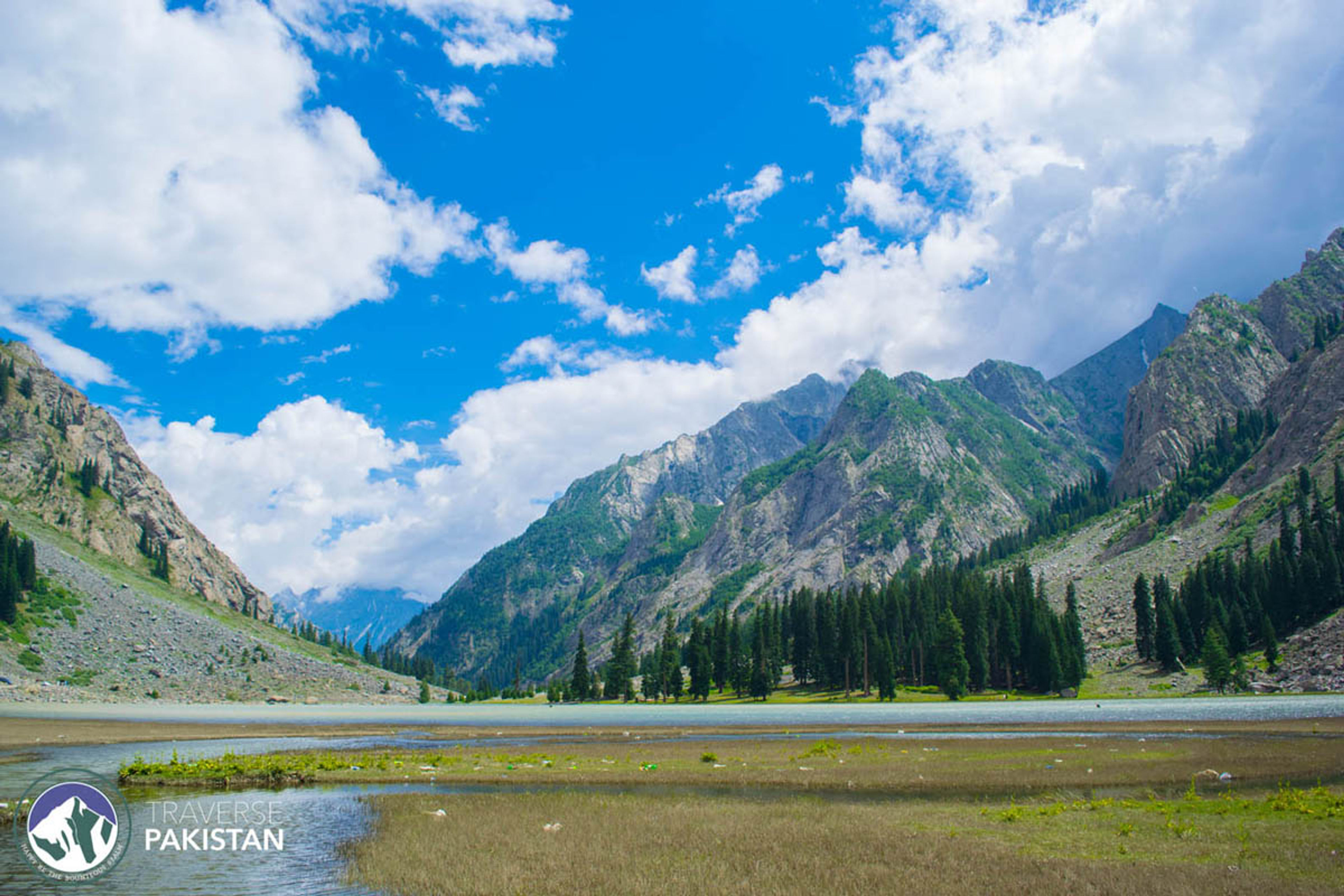
An anomaly in Hindu Raj mountain region blending into Himalayas over 4-5000m peaks of Kohistan, is rich in history and is more green than valleys up north as it lies in the monsoon belt. From Aryan caves to Buddhist Monasteries numerous archeological sites were excavated all over Swat. Lower swat is quite wide with an average altitude of 1000m ranging to 3000m in upper swat. Accessible throughout the year (except extreme snowfalls), its known for its luscious peach orchards & Ski Resort in Malam Jabba. Historically it could be the most interesting valley of Northeren Pakistan, dating back to Stone age. A wave of Aryans from Central Asia established Hinduism in the region and composed oldest religious text in the world i.e. “Rig Veda”. In 2nd century BC, Alexandar invaded swat on his way to Afghanistan thus enabling Buddhism to flourish from 2nd century BC to 9th century AD, leaving behind a legacy of stone sculptures and monasteries. Padmasambhava, the great tantric master was born in swat and brought Buddhism to Tibet and founded Nyingma order. Later in 11th century Mahmud Ghaznavi took over the valley thus beginning an era of Islam that is in practice till date throughout the region. Kalam, Ushu and Mahudand Lake are well known attractions. Swat is also favourable for hiking with plenty of mild to medium level treks leading upto lakes and high altitude meadows. Flak Sar is the highest mountain of region with an elevation of 5957m, and can be seen from Ushu valley.
Getting there, what to do, where to stay, and what to eat — the local ground truth.
How to get to Swat
By road via Motorway
The Swat Motorway (M-16) has cut the drive from Islamabad to Mingora to 4 hours. From Lahore, allow 6 to 7 hours via the M-2 and M-16. From Karachi, most travellers fly to Islamabad first and drive up. The motorway is open year-round and drops you directly at the Chakdara interchange, 45 minutes from Mingora and the Swat valley proper.
Onward roads inside the valley
From Mingora, the valley road climbs north via Fizagat and Bahrain to Kalam (95 km, 3 to 4 hours) and continues on jeep track to Ushu Forest and Mahodand Lake. Malam Jabba turns off east about 30 km before Mingora and is a 90-minute climb. In winter, the road above Bahrain gets heavy snow, and Mahodand jeep track is closed November to April.
Things to do in Swat
Kalam, Ushu and Mahodand
Kalam (2,000 m) is the largest hill station in Swat, a summer town at the confluence of the Ushu and Utror rivers. From Kalam a jeep track continues 40 km up through the Ushu cedar forest to Mahodand Lake, a wide alpine lake ringed by 4,000 m peaks. Full day out from Kalam.
Malam Jabba ski resort
Malam Jabba at 2,800 m is Pakistan's premier ski resort, with a chairlift, ski school, tubing park and PC Malam Jabba hotel at the base. The ski season runs December to February, weather dependent. In summer the resort switches to a mountain-biking and zip-line adventure park with wide views over the Hindu Raj.
White Palace at Marghazar
The White Palace, built from the same marble as the Taj Mahal, was the summer residence of the Wali of Swat and now runs as a heritage hotel and museum in Marghazar. Queen Elizabeth stayed here in 1961. Worth a half day, 40 minutes from Mingora.
Buddhist heritage and Swat Museum
Swat was the heart of Gandharan Buddhism from the 2nd century BC to the 9th century AD. The Butkara Stupa near Mingora, the rock reliefs at Jahanabad, and the excavated monastery at Udegram are the most accessible sites, and Swat Museum in Mingora houses one of the finest Gandharan sculpture collections in Pakistan. Half a day for the museum plus one nearby site.
Takht Bhai on the way back
An hour before rejoining the motorway on the drive back to Islamabad, the Takht Bhai Buddhist monastery ruins sit on a hilltop near Mardan, a UNESCO World Heritage Site and one of the best-preserved Gandharan complexes in the world. Easy 90-minute stop that adds a strong finish to a Swat itinerary.
Where to stay
Mingora
Swat Serena Hotel is the luxury standard in Mingora, colonial-era property with heritage rooms and manicured gardens. Rock City Resort is the strong deluxe option, contemporary rooms and a valley-facing pool.
Kalam
Walnut Heights by Roomy is the top luxury pick in Kalam, modern rooms with river views and reliable central heating in winter. Hotel Greens Kalam is a dependable deluxe option in Kalam town.
Malam Jabba
Pearl Continental Malam Jabba sits at the base of the chairlift and is the only ski-in ski-out hotel in the country. Mountain View is the reliable deluxe alternative just below the resort.
Food and culture
Swat is Pashto-speaking Yousafzai Pashtun country, with a warm hospitality tradition (melmastia) that predates Islam. The valley's food is generous and meat-forward, with chapli kebab, lamb karahi and slow-cooked mutton dumba being the local staples. Peaches from Fizagat, apples from Bahrain, and honey from Kalam are the takeaway shopping. Culturally Swat carries an unusual double heritage, the Buddhist Gandhara civilisation that flourished here for over a thousand years, and the Yousafzai Pashtun tradition that arrived in the 16th century. The two coexist in the museum and in the physical landscape.
Four chapters
Best Time to Visit
spring
April – May
Best time
Peach and apricot blossoms across the lower valley — Mingora and Fizagat come alive.
summer
June – September
Best time
Full access to Kalam, Ushu, Mahodand and Malam Jabba — cool 15–25°C in the upper valleys.
autumn
October – November
Best time
Chinar and pine turn gold — the sharpest views across Kalam and the Ushu river.
winter
December – March
Shoulder
Lower Swat accessible; Kalam and Malam Jabba get heavy snow — ski season at Malam Jabba runs Dec–Feb.