
KKH Halfway
Natural overnight midpoint on long KKH drives — breaks Islamabad/Naran ↔ Hunza/Skardu into manageable days.
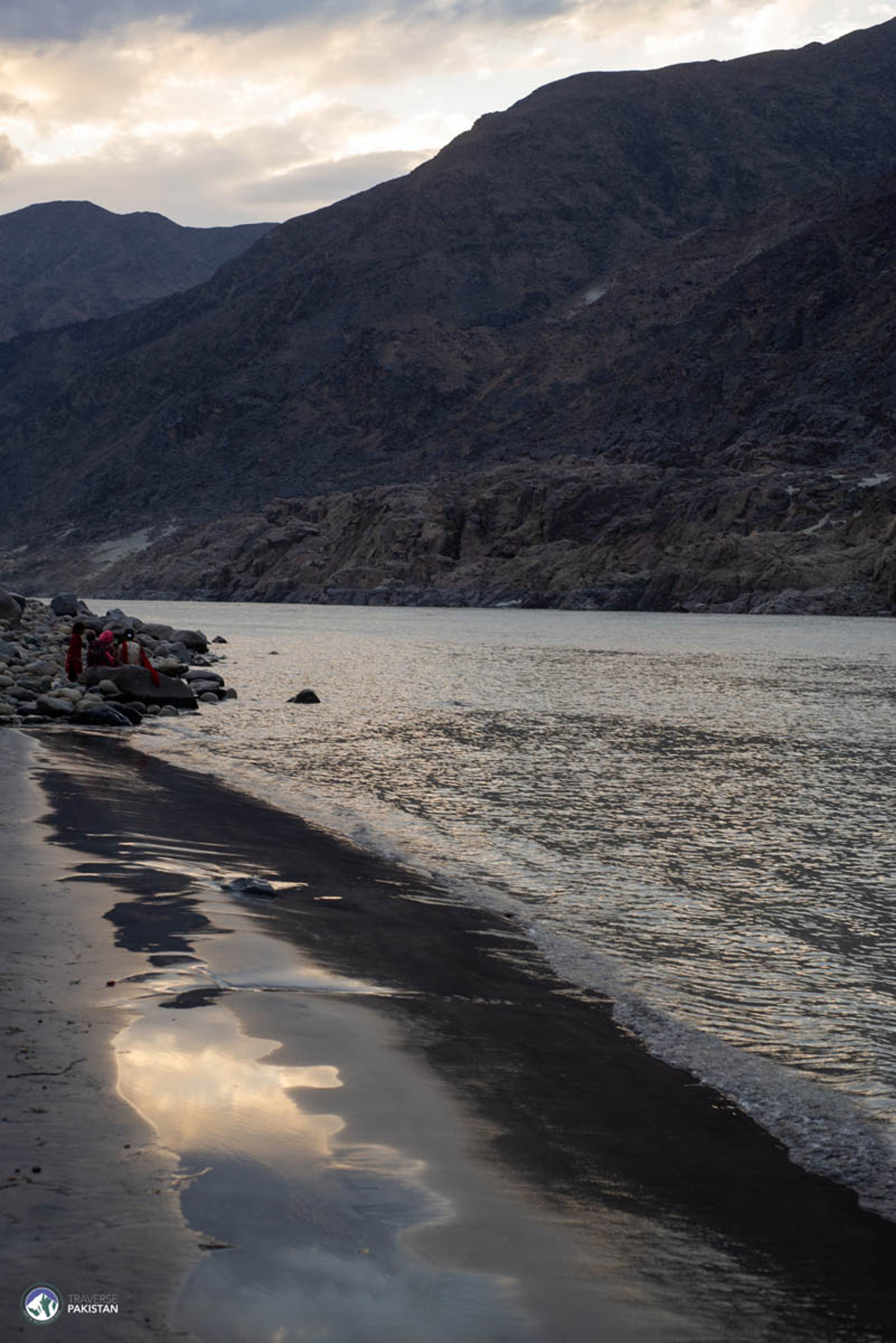
KKH transit stop on the Indus
Situated along the rugged banks of the Indus River, Chilas serves as the historic gateway to Gilgit-Baltistan. As a vital transit hub on the legendary Karakoram Highway and the seasonal Babusar Pass route, this ancient town bridges the gap between Pakistan's lush southern valleys and the dramatic high-mountain deserts of the north. Beyond its role as a strategic rest stop, Chilas is an open-air museum holding over 50,000 prehistoric rock carvings and Buddhist petroglyphs that whisper stories of Silk Road merchants, pilgrims, and conquerors from millennia past.
1 hotel & properties
The small, specific reasons travellers keep coming back.
Natural overnight midpoint on long KKH drives — breaks Islamabad/Naran ↔ Hunza/Skardu into manageable days.
Gateway to Fairy Meadows and the Raikot Bridge jeep trail; Nanga Parbat dominates the southern skyline.
Petroglyphs and Buddhist-era inscriptions on Indus boulders dating back over 2,000 years.
The Indus runs wide and grey here — dramatic gorges on the way north.
Getting there, what to do, where to stay, and what to eat — the local ground truth.
Chilas at 1,265 m sits on the west bank of the Indus River, roughly halfway between the mountain deserts of Skardu and the green upper KKH valleys. It has always been a transit town rather than a destination in itself, but almost every road journey to Hunza, Skardu or Fairy Meadows passes through, and the town holds one of the world's largest concentrations of prehistoric rock art within a short drive.
In summer, the fastest route from Islamabad is via Naran and Babusar Top (4,173 m), 10 to 12 hours split with a night in Naran. Babusar is open roughly late May to early October, weather permitting.
The all-season Karakoram Highway option runs from Islamabad via Mansehra, Besham and Dasu to Chilas, 14 to 16 hours split with an overnight in Besham. This is the winter route when Babusar is closed.
The rock-carving concentration on both banks of the Indus around Chilas and Thalpan is one of the largest open-air prehistoric and historical galleries in the world, over 50,000 individual carvings and 5,000 inscriptions spanning 9,000 years. Buddhist stupas, Central Asian hunters, Zoroastrian fire altars, Chinese pilgrims' names and pre-Buddhist mountain deities are all recorded here. Best visited with a local guide who can find the significant panels, half a day.
Just west of Chilas, the Raikot Bridge marks the start of the Fairy Meadows access track and gives one of the closest roadside views of the north face of Nanga Parbat (8,126 m). A 15-minute stop on any drive north, or the launching point if you divert up to Fairy Meadows for a night or two.
Shangrila Chilas is the reliable deluxe pick in town, riverside garden, cottages and a working restaurant, the safest choice for an overnight stop on the KKH. Beyond it, options are basic PTDC-style motels and simple hotels for truckers, best booked through your operator.
Chilas town has a conservative Sunni tradition and dress should reflect this, especially for women, cover shoulders, legs and hair. Phone signal and ATMs are available in the town centre. Chilas gets very hot in the summer (above 40°C in July), and the surrounding rock-desert offers little shade, plan visits to the petroglyphs early morning or late afternoon.
Chilas has been continuously occupied for over 3,000 years, and its position on the Silk Road spur between the Indus valley and Central Asia made it a natural halting place for pilgrims, traders and conquerors. The rock carvings record that entire stream of history in a single site, from stone-age hunters through 4th to 6th century Buddhist monks (some scholars believe Xuanzang, the great 7th-century Chinese pilgrim, passed here on his return from Nalanda) to the arrival of Islam in the 14th century. Today Chilas is Shina-speaking Dardic country, and the town of Chilas itself sits within a mountain-desert landscape rather than the greener valleys further north.
March – May
Good timeWarming up. Pleasant transit stop, KKH open both directions.
June – August
Best timeHot but manageable; main transit season for Hunza, Skardu and Fairy Meadows travellers.
September – November
Best timeClear, cool and quiet — ideal final stop on a long KKH return.
December – February
LimitedCold; KKH passes north and south can close. Confirm road status.