




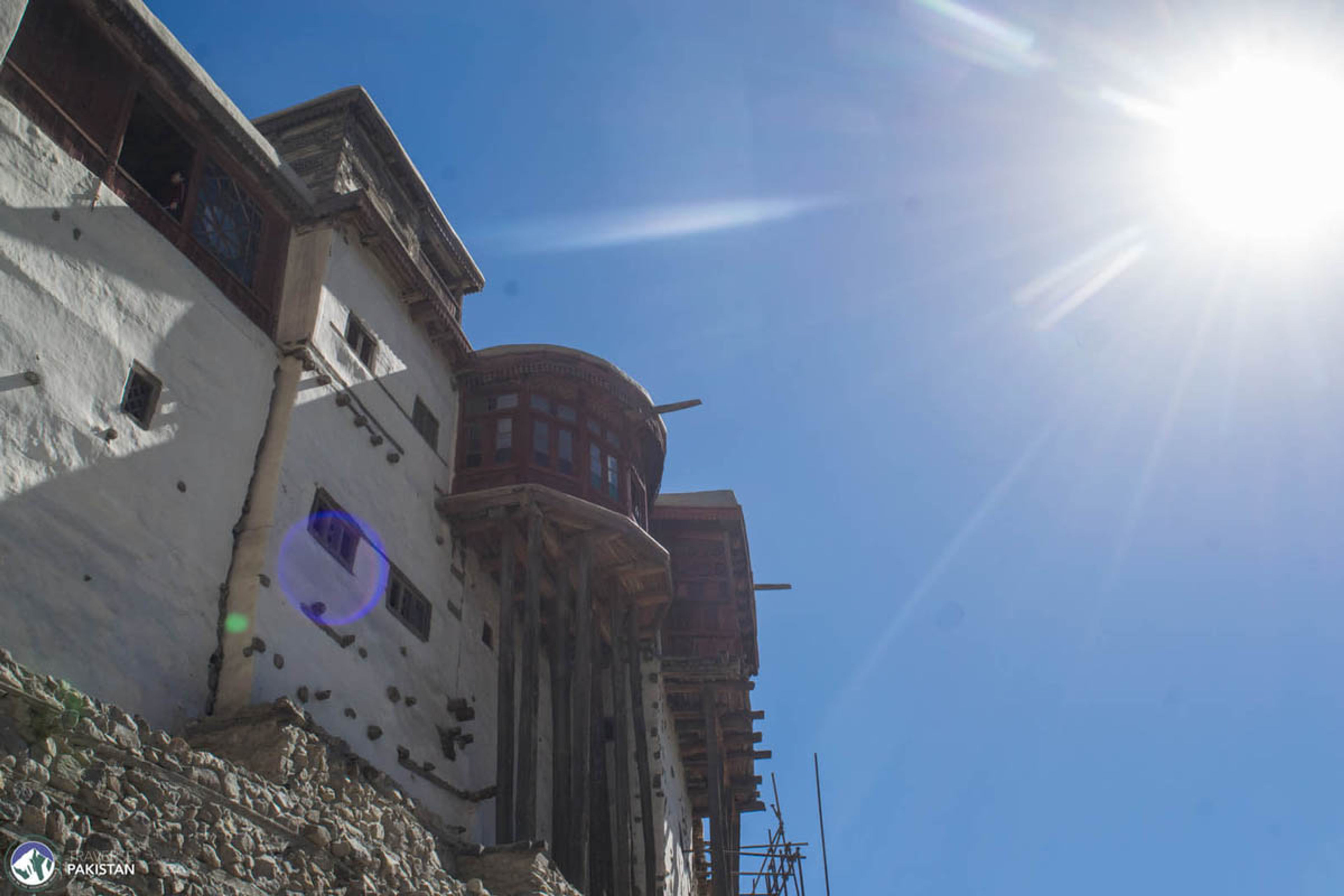
Restored Silk Road Fort
One of the finest heritage restorations in South Asia, led by the Aga Khan Trust for Culture in the 1990s.
The Higher One
Baltit Fort is a 700-year-old citadel perched above Karimabad, commanding the entire Hunza Valley. Built in Tibetan-influenced architecture and later expanded under Balti and Mughal rule, it served as the seat of the Mirs of Hunza for centuries. Painstakingly restored by the Aga Khan Trust for Culture in 1996, Baltit today is Pakistan's most complete example of restored Silk Road heritage, the timber-and-stone framework, latticed windows, and mountain-facing courtyards remain intact.
11 flexible packages — your dates, your tier
2 tours to choose from
6 hotels & properties

Hunza Valley, Gilgit Baltistan

Karimabad, Hunza Valley, Gilgit-Baltistan

Karimabad, Hunza

Attabad Lake, Gojal, Hunza

Altit, Hunza

Attabad Lake, Gojal, Hunza
The small, specific reasons travellers keep coming back.
One of the finest heritage restorations in South Asia, led by the Aga Khan Trust for Culture in the 1990s.
The rooftop and upper courtyard look straight onto Ultar Sar, Rakaposhi and the Hunza River bend below.
The climb from the bazaar winds through 700-year-old lanes, stone houses and apricot orchards of Karimabad.
Baltit is accessible in every season, including winter — the fort against snow-dusted Ultar is one of Hunza's most photographed frames.
Mid-March – Mid-April
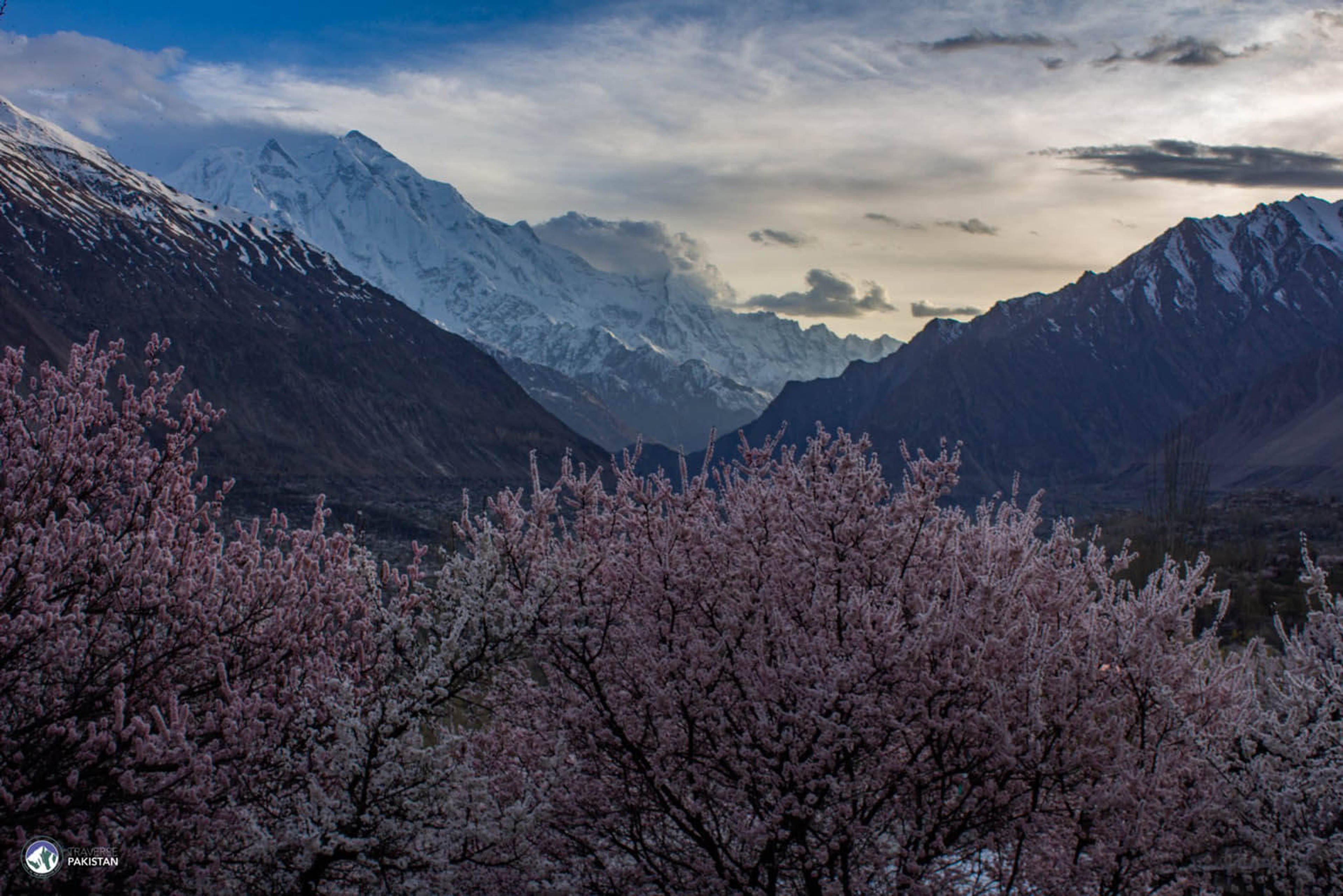
Best timeApricot and cherry blossoms carpet Karimabad below the fort — the classic Hunza blossom window.
Mid-April – Mid-October
Best timeLong light and full Karimabad activity — the widest window for exploring the fort and old town.
Mid-October – Mid-November
Best timePoplars, apricot and cherry trees turn yellow, orange and merlot red across Karimabad — the most photographed month at Baltit.
Mid-November – Mid-March
ShoulderFort and Karimabad remain accessible; expect snow, short daylight and biting cold — pack heavy layers.